
Blog
Meals, care and kitchen: what we learn in the field
Practical insight into meal management across care homes, psychiatry, rehabilitation and hospitality — no jargon, written for the teams.
Page 2 / 10

Abu Dhabi's food safety authority is closing restaurants at a steady clip in 2026 — a reminder that inspection-readiness isn't optional
The Abu Dhabi Agriculture and Food Safety Authority (ADAFSA) has administratively shut down a string of named restaurants and cafés through 2026 for repeated, uncorrected food safety violations — Galleria Cafe, a Musaffah restaurant, a butchery, and others. None reopen until every violation is fixed and verified. In one of the world's fastest-growing hospitality markets, that's a real operational risk, not a rare one.
July 19, 2026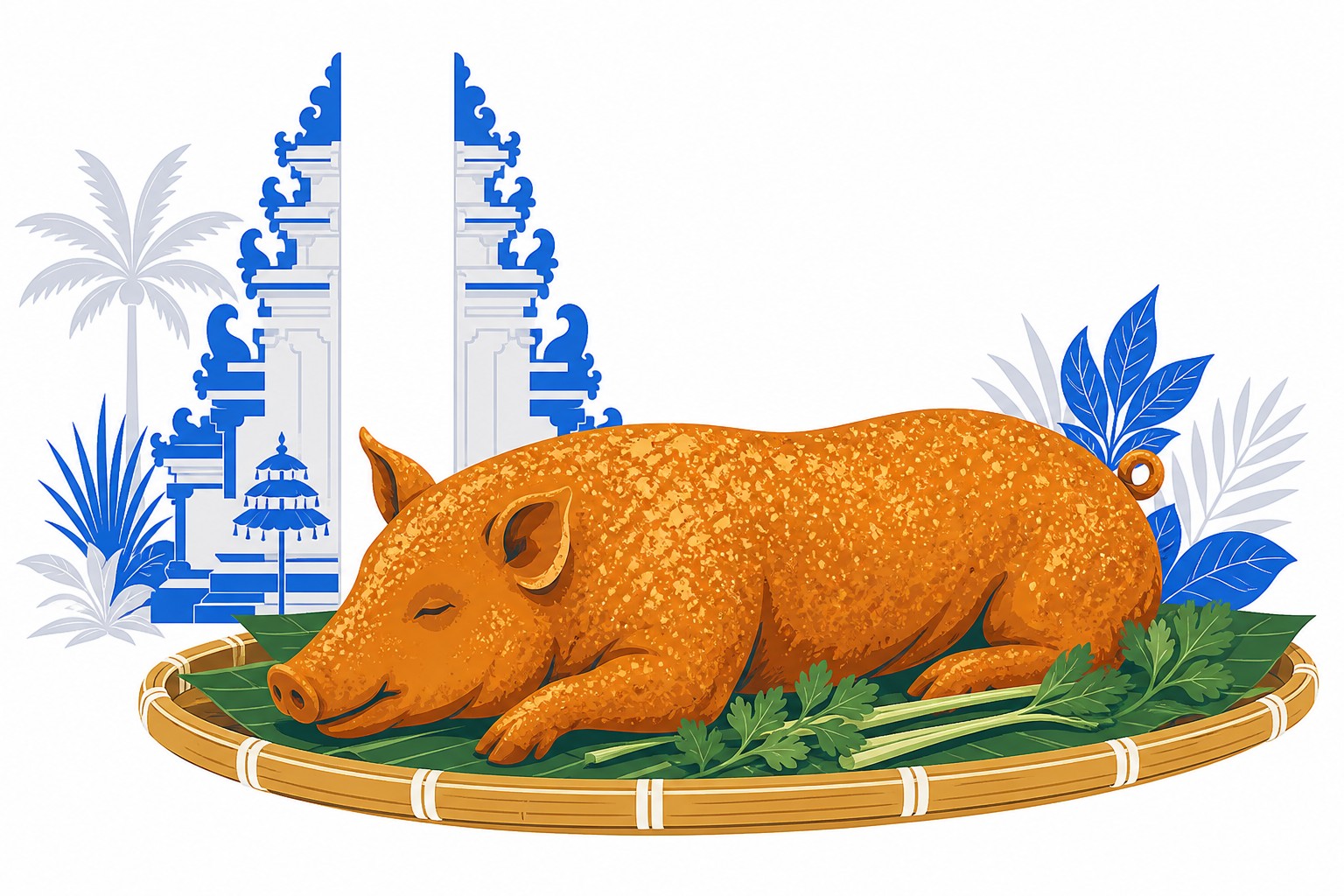
Bali is the only Hindu-majority place in the world's largest Muslim-majority country — which is exactly why its most famous dish is a whole roast pig
Almost 90% of Indonesians are Muslim, and pork is genuinely hard to find across most of the archipelago. Bali is the one major exception — 87% Hindu, a status that traces to a 16th-century collapse that sent Hindu nobility, priests and artisans fleeing Java for the island. Babi guling, Bali's iconic roast suckling pig, isn't a tourist-menu curiosity — it started as a religious offering, and its position on Bali's food map is a direct, edible record of why the island is different.
July 19, 2026
A $2.75 million settlement over nursing-home understaffing is a reminder that malnutrition is a systems failure, not an individual one
Massachusetts Attorney General Andrea Campbell secured a $2.75 million settlement with Bear Mountain Healthcare, a Connecticut-based operator, over systematic understaffing across 11 facilities from April 2021 to December 2025 that the state says directly caused malnutrition, dehydration, pressure ulcers and other harm — while ownership reported salaries exceeding $350,000. The pattern the case documents is a staffing and systems failure, not a story about any one caregiver.
July 19, 2026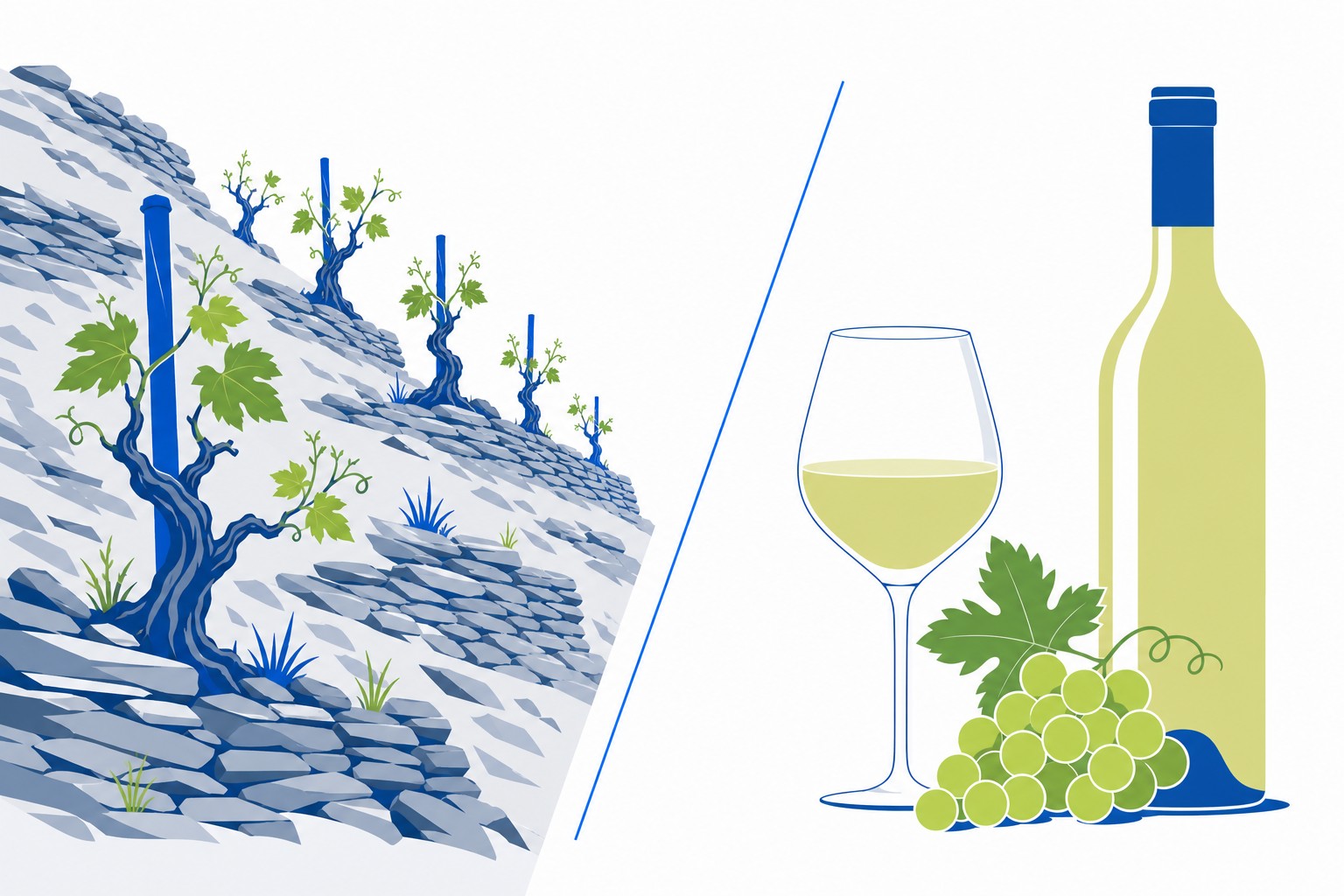
A Galician grape survived on just 18 hectares before a decade of university research turned it into Ribeira Sacra's first single-varietal white wine — and it's the same vine grown 200km away under a completely different name
Blanco Lexítimo nearly disappeared from Galicia entirely, reduced to scattered old plots totaling roughly 18 hectares. A ten-year research project by two universities and Spain's national research council confirmed what growers suspected: it's a genuinely distinct, high-potential white grape — and also, under a different regional name, the same vine grown across the border in Asturias and León. One winery has now bottled the appellation's first single-varietal example.
July 19, 2026
Café de Paris Sauce Isn't French. It's Swiss — and It's Not the Only Sauce Lying About Its Passport
A steak sauce named after Paris that's never been served in Paris, invented in Geneva in 1930 and still secret today. It's the cleanest example of a pattern that shows up across the sauce aisle — Hollandaise isn't Dutch, Russian dressing isn't Russian, and American 'French dressing' would confuse an actual French cook.
July 19, 2026
A Seville brewery has trained over 17,000 young chefs and waiters since 1995 — with an 80% job-placement rate, using its own beer factory as the classroom
Cruzcampo is the beer nearly every Sevillano drinks, not a culinary school. But its foundation has quietly built one of Andalusia's largest hospitality training operations inside the brewery's own historic factory: real public-facing restaurant service as the classroom, a three-month internship at a recognized restaurant, and — for its scholarship track — an 80% employment rate on graduation.
July 19, 2026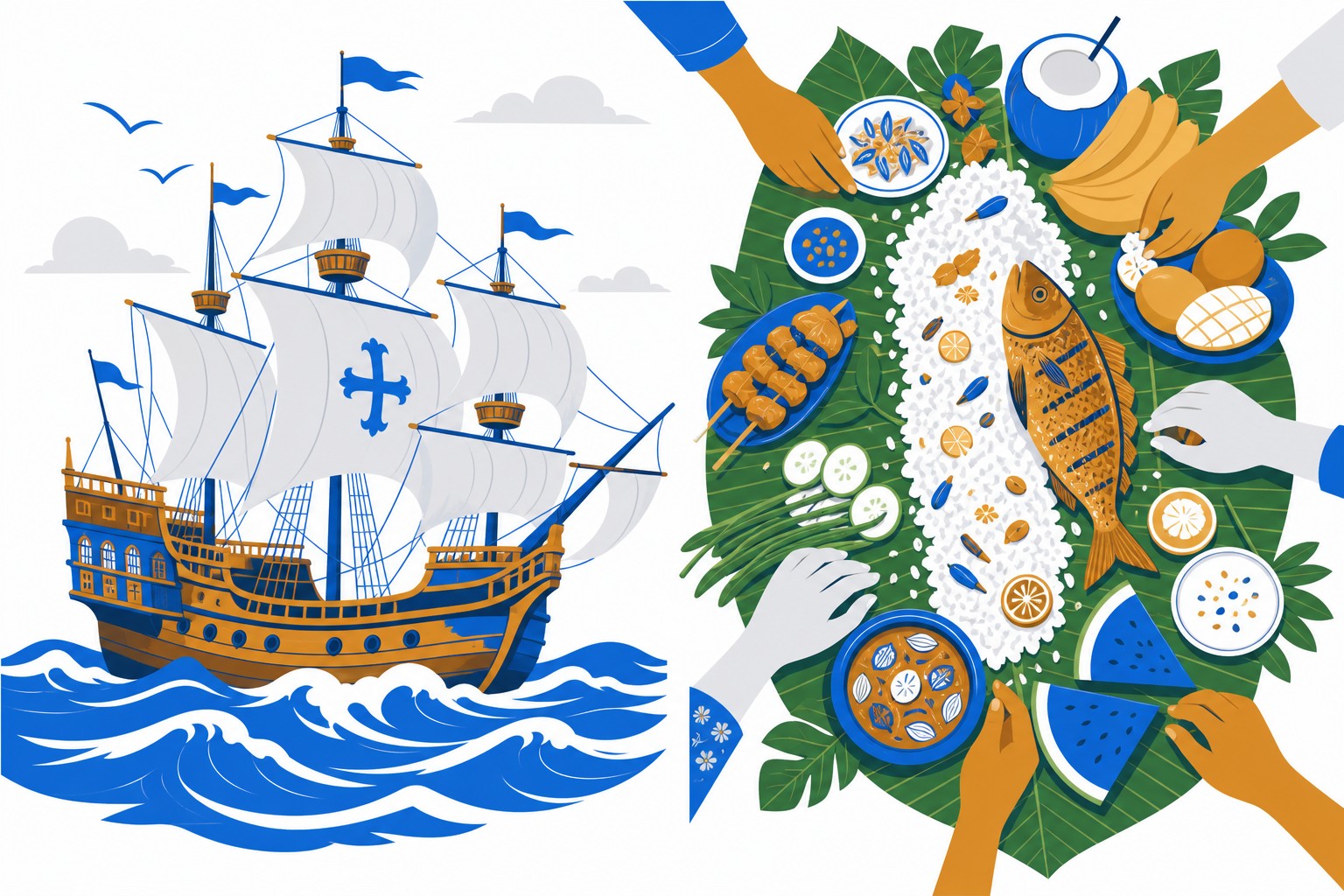
Filipino sailors founded the first Asian settlement in what's now the United States in 1763 — thirteen years before the country existed. Filipino food still isn't mainstream there.
The Philippines has one of the largest, oldest, and most economically vital diasporas on Earth — 11.2 million overseas workers sending home over $35 billion a year, a presence in America that predates the United States itself. Filipino restaurants are still just 1% of America's Asian restaurants. The gap between those two facts is a genuinely interesting story, and it's finally closing.
July 19, 2026
A Swiss cheese cartel invented fondue as the country's 'national dish' in the 1930s to offload a surplus — Fribourg's Gruyère-and-Vacherin 'moitié-moitié' is the one regional variant that never fit the marketing formula
Cheese fondue reads as the most obviously 'traditional' Swiss dish there is. For over two centuries it was actually a minor, regional, French-speaking Swiss specialty — until a government-backed cheese cartel needed to get rid of a production surplus in the 1930s and manufactured it into a national symbol almost from scratch. Fribourg's own half-Gruyère, half-Vacherin Fribourgeois version sits slightly outside that story, built from the canton's own cheese rather than the cartel's homogenized formula.
July 19, 2026
In 1964, a Swiss hospital-catering association got fed up with trays that fit nobody's oven — the container system it invented that afternoon still runs almost every professional kitchen in Europe
Every stainless steel tray, insert and container in a European commercial kitchen almost certainly follows the same system: Gastronorm. It wasn't invented by an equipment manufacturer chasing a patent — it was agreed on in 1964 by Swiss hospital-catering and hotel associations tired of trays that fit nobody's oven or fridge. Six decades later it's the near-universal standard across Europe, and the reason a hotel pan bought in Zürich still fits an oven bought in Lisbon.
July 19, 2026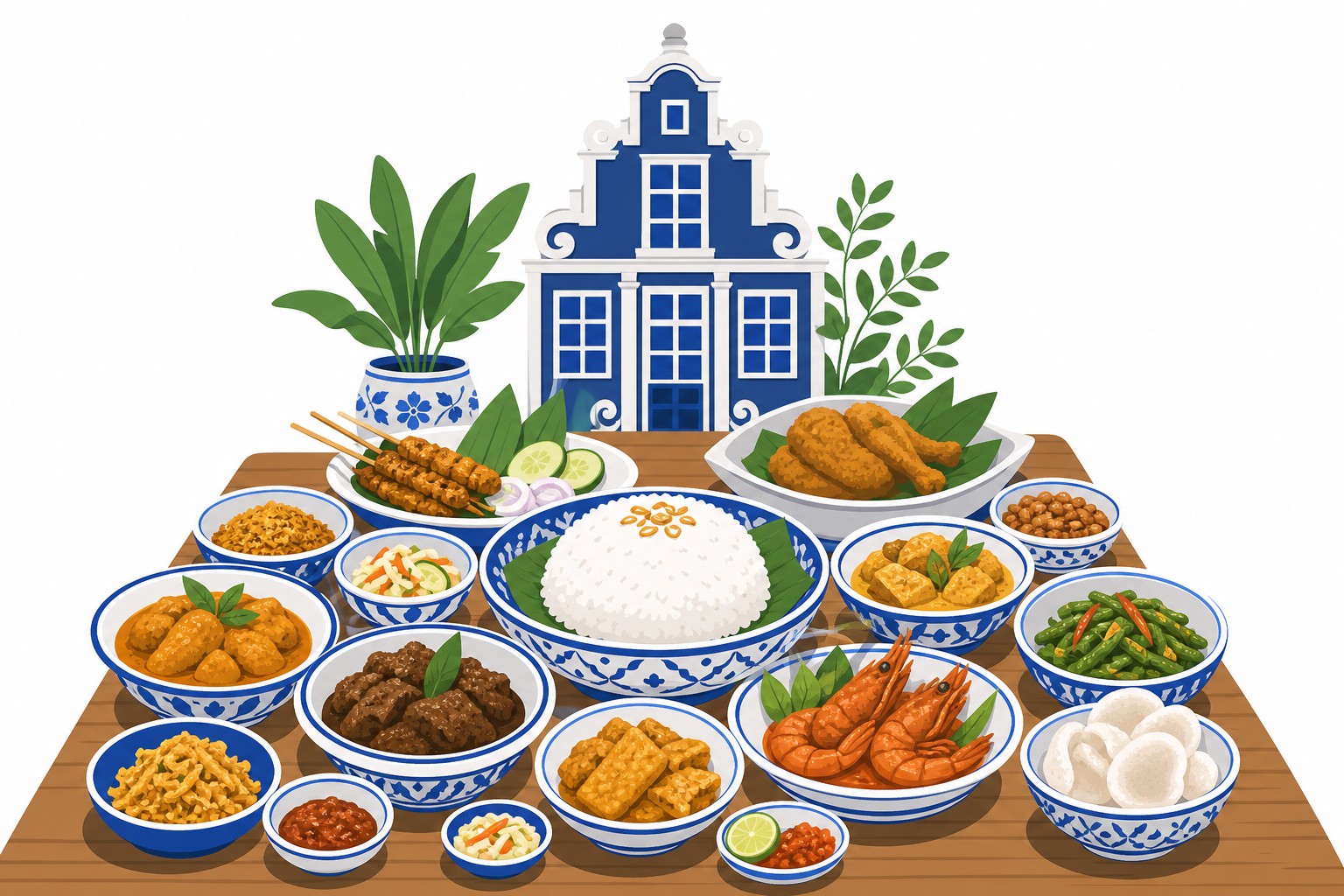
In 1982, a third of every restaurant in the Netherlands served Indonesian food under a Chinese sign. Nobody planned that. It's still true today that the Dutch 'national dish' conversation usually ends in Java.
Rijsttafel was invented by Dutch colonists in Java to show off at dinner parties — it's not a pre-colonial Indonesian tradition. It came home with them anyway, merged with Rotterdam's Chinese restaurant scene into a hybrid nobody designed, and by 1982 that hybrid was a third of the entire Dutch restaurant industry. The claim that Dutch food is 'all imported' undersells a genuinely unusual food-history story.
July 19, 2026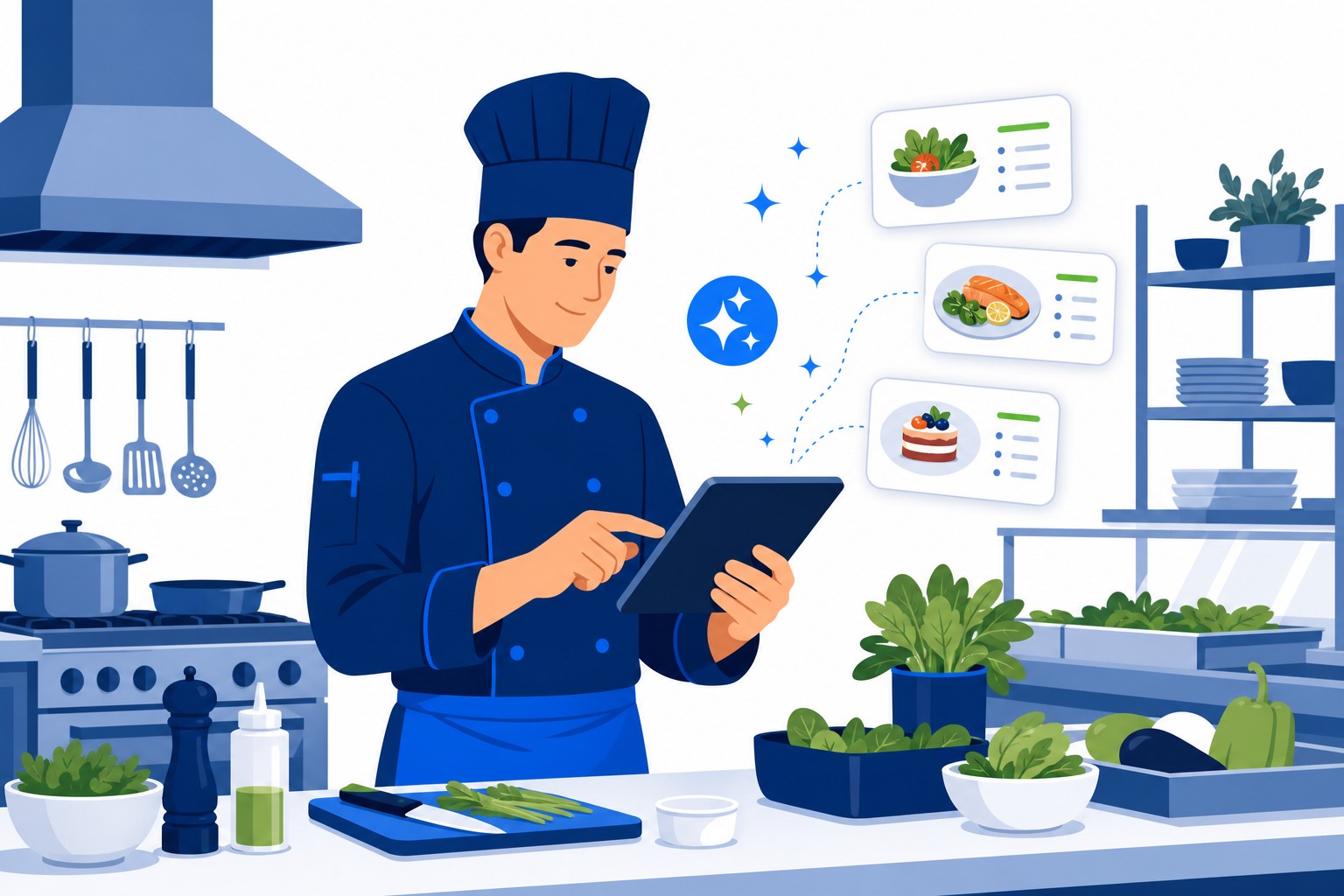
A major institutional caterer cut menu planning from weeks to a single day using AI — what that actually means for a kitchen's workflow
A major institutional caterer's AI menu tool now generates and manages menus from a 400-recipe seasonal pool in a single day, down from the 2-4 weeks manual planning used to take — deployed across thousands of sites, alongside roughly 200 cleaning and delivery robots. The headline number is the speed-up; the more useful story is what actually changed in the underlying workflow.
July 19, 2026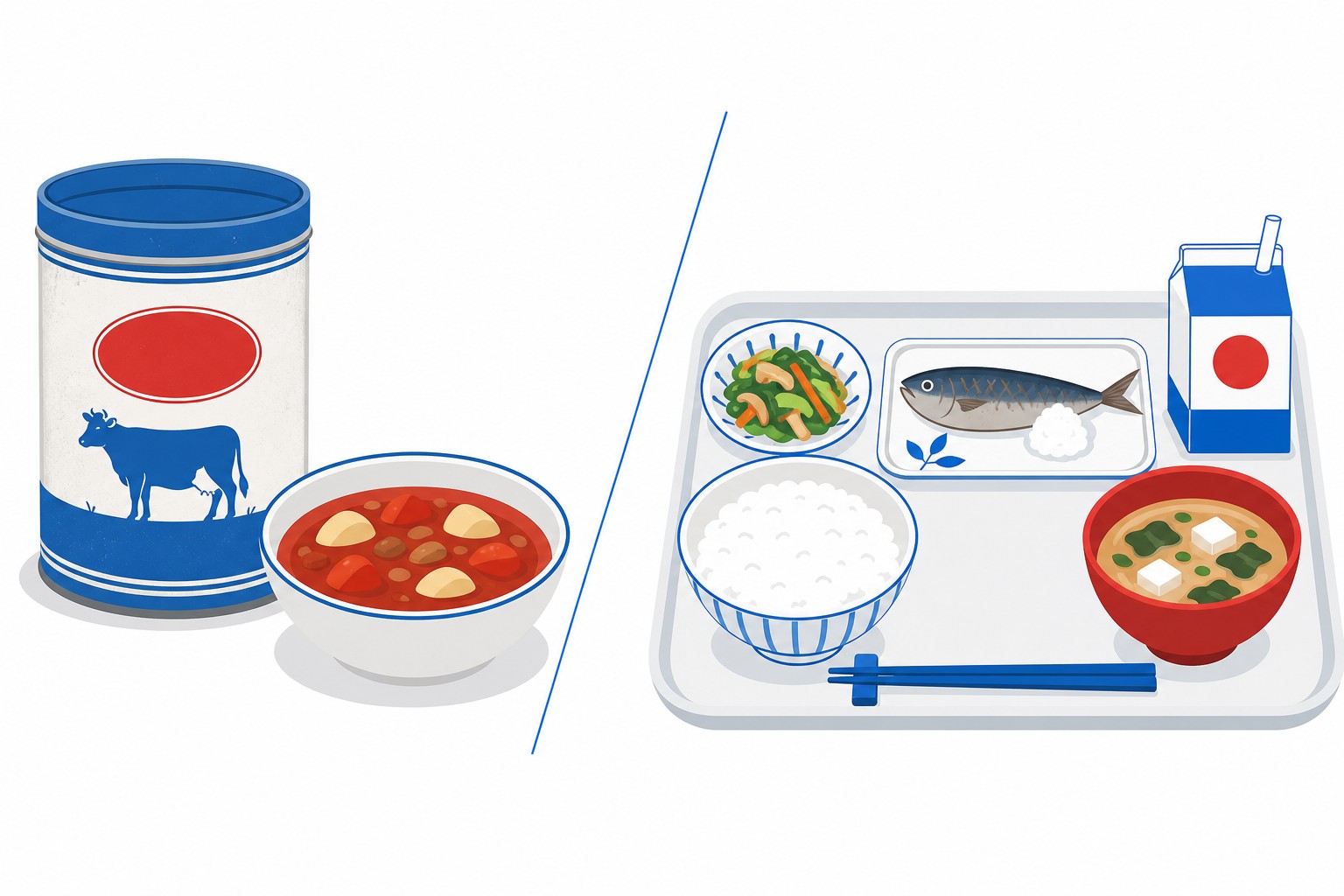
Japan's national school lunch began in 1946 as donated skim milk children hated the smell of — the system it grew into now wastes food at about a quarter of the rate an American school cafeteria does
In the winter of 1946, occupied Japan's first school lunches were funded by a wartime relief agency and consisted of little more than tomato stew and a powdered milk many children disliked. Eight decades and two separate national laws later, more than 10 million Japanese schoolchildren serve, eat and clean up a full hot lunch every day, with a food waste rate of roughly 7% against about 30% in American school cafeterias.
July 19, 2026
Filipino food never became the food world's promised 'next big thing.' Filipino brands didn't wait around — Jollibee now runs more restaurants outside the Philippines than inside it
Pew Research counts Filipino restaurants at just 1% of America's Asian restaurants. Nobody told Jollibee, San Miguel, or Dole. One started as a Manila ice cream parlor and became a 10,000-store global chain planning a US listing; one is a 135-year-old brewery turned $25-billion conglomerate; one is the reason a can of pineapple in a European supermarket probably grew in Mindanao. The food stayed home. The businesses didn't.
July 19, 2026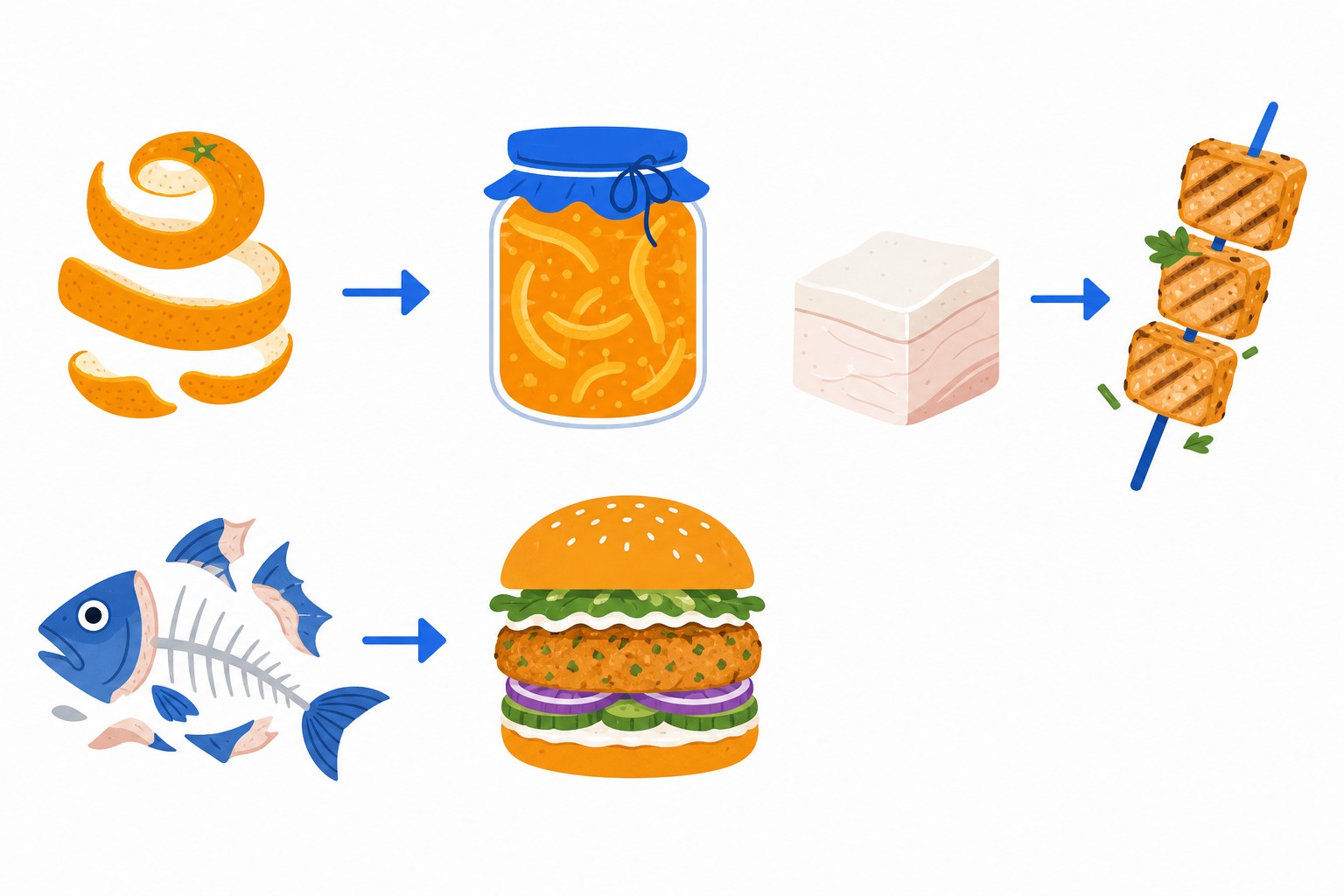
Langham turned 390kg of orange peels into a marmalade and rendered Wagyu fat into kitchen tallow. That's not sustainability theatre — it's food cost work with better marketing
Langham Hospitality Group's group-wide upcycling programme — breakfast-juice peels into compote, fish trimmings into a permanent burger, Wagyu fat into house tallow — is a genuine case study in what happens when waste tracking becomes visible enough to turn into a menu decision. By Marc Enggist, CEO of EGS.
July 19, 2026
Manado was fought over by Portugal, then Spain, then the Dutch — who turned it into their 'model' colonial subject through mass conversion. Its food carries all three layers, and none of the blame usually aimed at just one of them
Manado Malay, the language of North Sulawesi's capital, was measurably shaped by 16th-century Portuguese contact — before Spain seized the Portuguese fort with local help, and long before the Dutch turned Minahasa into the most thoroughly Christianized, most literate, most "loyal" region of their entire East Indies empire. Manadonese cuisine, heavy on Chinese, Spanish, Portuguese and Dutch influence in its cakes and pastries, is the edible record of all three passes.
July 19, 2026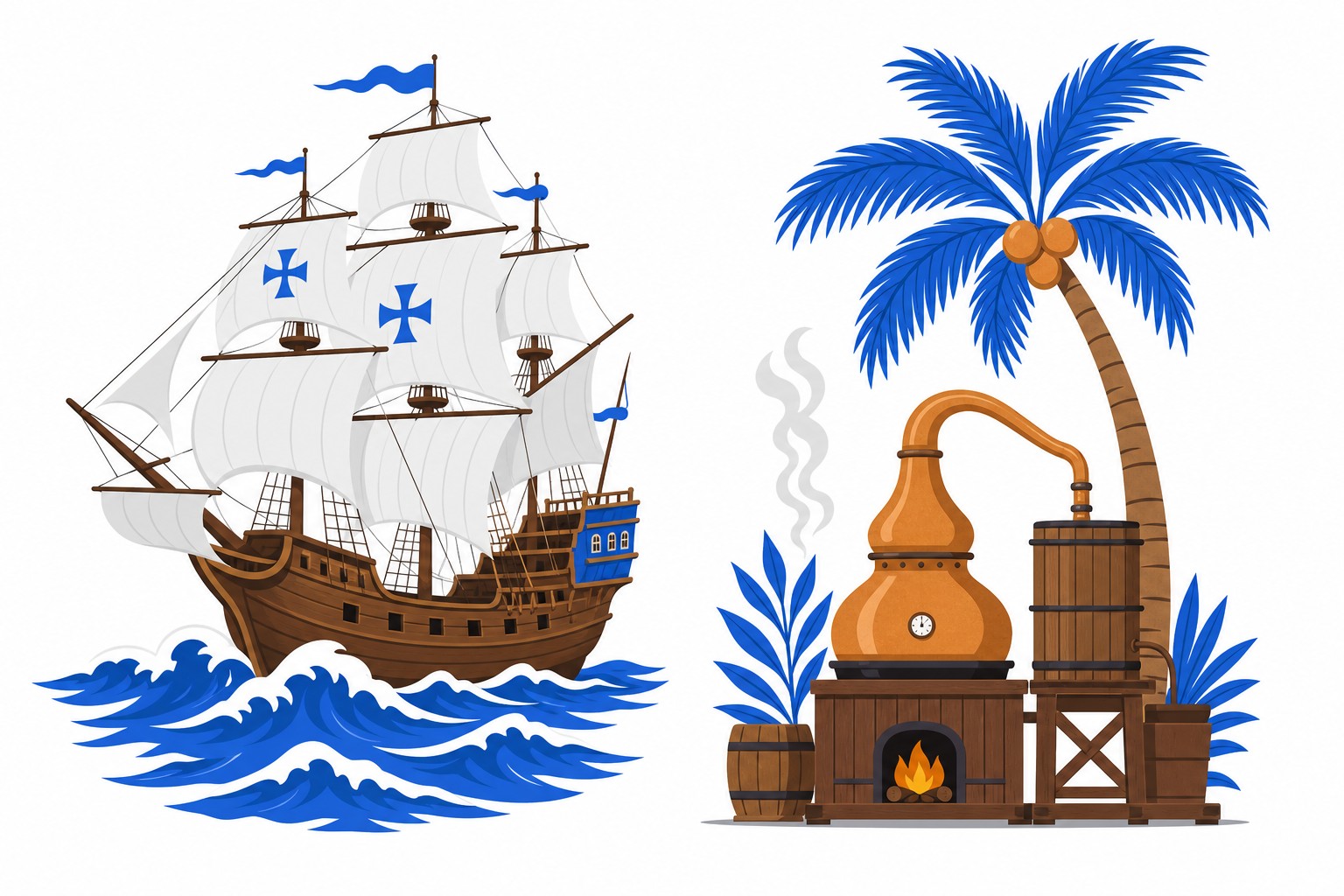
The Manila galleon connected Mexico and the Philippines for 250 years, trading chili for coconut wine and corn for mangoes. Its single richest heist, in 1587, was the biggest prize of the entire trade — and somehow no film has ever told the story
Chili, corn, tomato and chocolate sailed west from Mexico and rewired Filipino cooking. Mango, rice and coconut wine sailed east — and the Filipino sailors who carried that coconut-wine knowledge to Mexico's Pacific coast may have helped shape the distillation techniques behind tequila and mezcal. In between, one English privateer pulled off the richest single robbery in the trade's 250-year run. Every part of this is documented. None of it has been a movie.
July 19, 2026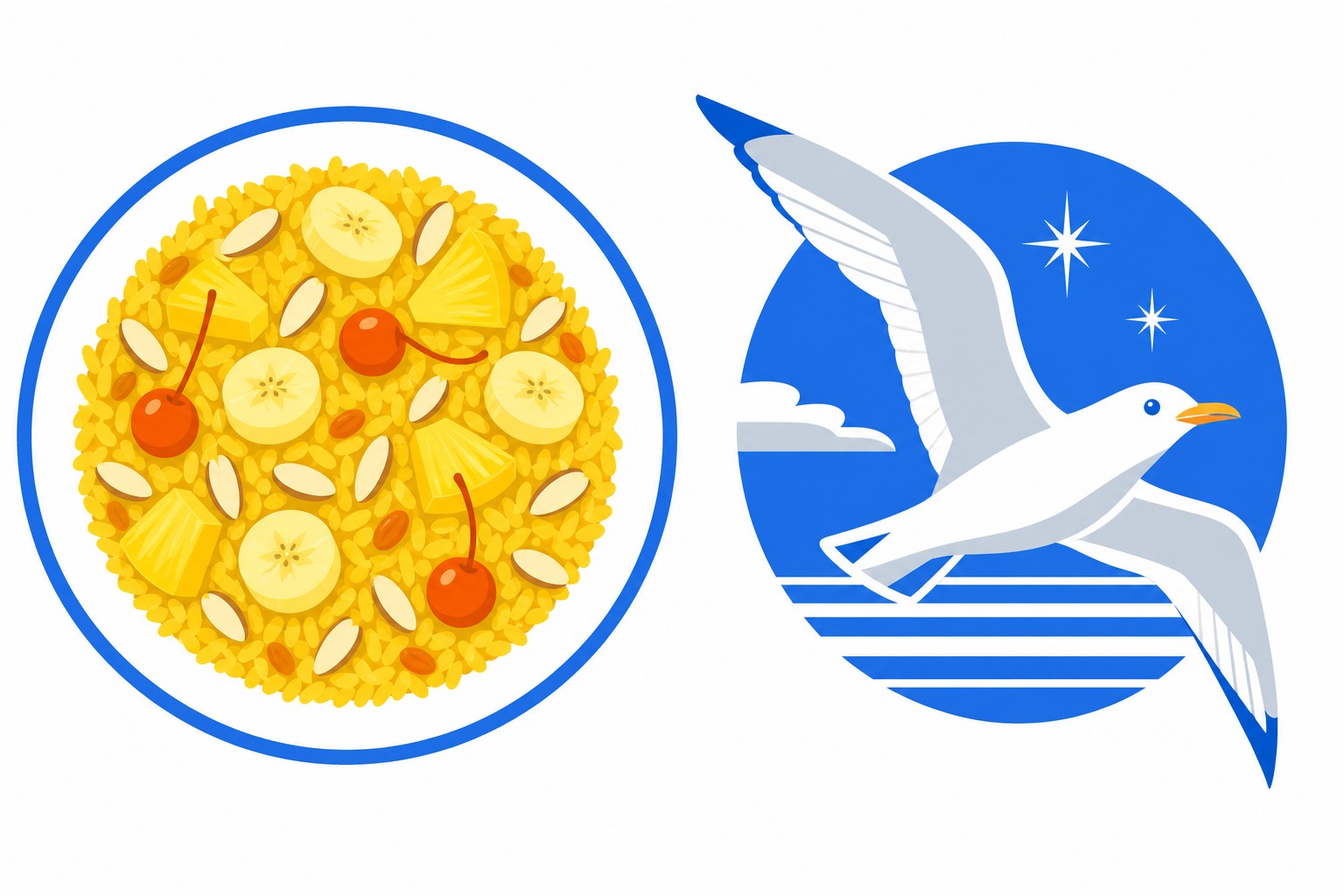
Switzerland's favorite 'exotic' dish is curried rice with tinned pineapple, invented by a hotelier who spotted the name on a London menu — and the Swiss Army served it to conscripts anyway
Riz Casimir — curry-spiced rice, banana, pineapple, cherries and almonds — has been a Swiss comfort-food fixture since 1952. It wasn't invented by a chef, or in India, or anywhere near Kashmir, whatever its name suggests. It came from Mövenpick founder Ueli Prager, a restaurateur who built an entire hospitality empire on the same instinct: take something people think they can't have, and make it work at scale.
July 19, 2026
A Salmonella outbreak traced to a hazelnut-nougat spread shows exactly why batch traceability can't be an afterthought
A German manufacturer's spring 2026 recall of its Nudossi hazelnut-nougat spread was linked by the Robert Koch Institute to a Salmonella Bochum outbreak — around 40 cases, mostly children under 15, with one death in an older adult. The case is a clean, current example of what batch-level traceability is actually for: knowing exactly which lots to pull, the moment contamination is confirmed.
July 19, 2026
Pad Thai is Thailand's national dish because a military government officially declared it one in the early 1940s — part of a broad nation-building campaign, built from a dish that came straight out of Bangkok's Chinese street-food stalls
Before the 1930s, fried noodles in Thailand were understood as a Chinese dish. Prime Minister Plaek Phibunsongkhram changed the country's name from Siam to Thailand in 1939, then built a noodle dish into his nation-building campaign — partly to stretch a wartime rice shortage, partly to give the new national identity a food of its own. The dish's original name literally translates to "Thai-style Chinese stir-fried noodles."
July 19, 2026
Pintxos have an exact birthplace, an exact decade, and a name that means 'stabbed' — everything tapas' origin story doesn't have
While tapas' origin is stuck between at least two competing royal legends, pintxos has the opposite problem: an unusually precise, well-documented modern origin story, traced to a specific 1930s San Sebastián bar, a bread-and-toothpick format invented to solve one practical problem. The name itself comes from the Spanish verb for "to pierce" — the toothpick is the whole point, not decoration.
July 19, 2026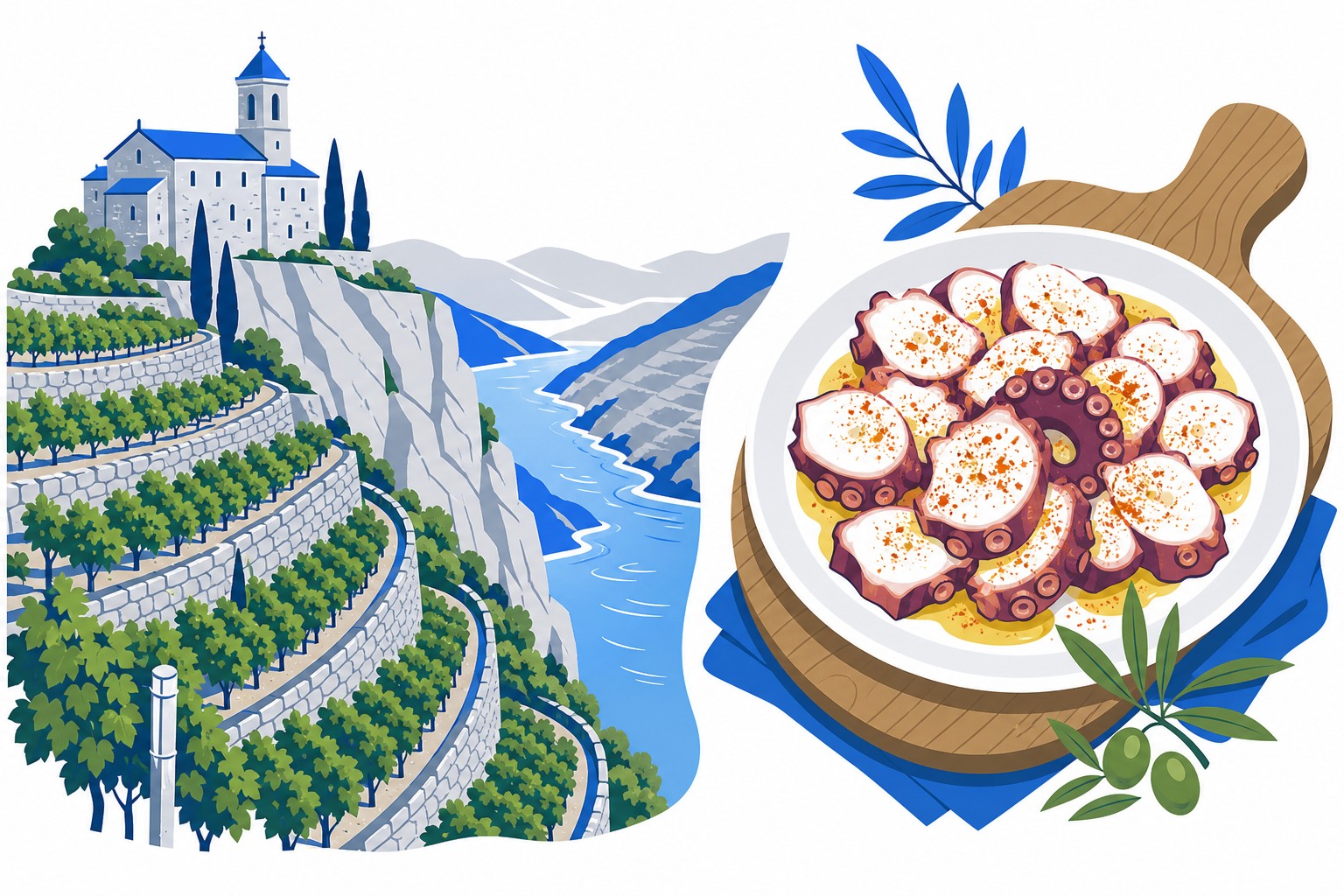
A 12th-century monastery's octopus tax surplus became Spain's biggest single-dish food festival — the same religious order shaped the region's wine terraces and its strangest delicacy too
In one small stretch of inland Galicia, Cistercian and Benedictine monasteries didn't just influence local food — they built three completely different food traditions through three completely different mechanisms: centuries of labor terracing vineyard cliffs for sacramental wine, taxation of river fishing rights that turned a parasitic fish into a delicacy, and tribute redistribution that invented an entire dish and profession from surplus octopus. All three still define the region today.
July 19, 2026
A crumb cake from the villages around Mainz travelled to the Volga with 18th-century colonists, endured a difficult chapter of 20th-century displacement, and came home two centuries later under the exact same name
Riwwelkuche — a yeast-dough streusel cake tied to the Palatinate's centuries-old Kerwe village fairs — isn't just a regional coffee-table tradition around Mainz. Catherine the Great's 1760s settlers carried it to the Volga, where the community that kept baking it lived through a genuinely hard 20th century, and came back to Germany with the Russlanddeutsche resettlers of the 1990s, still called by its original name.
July 19, 2026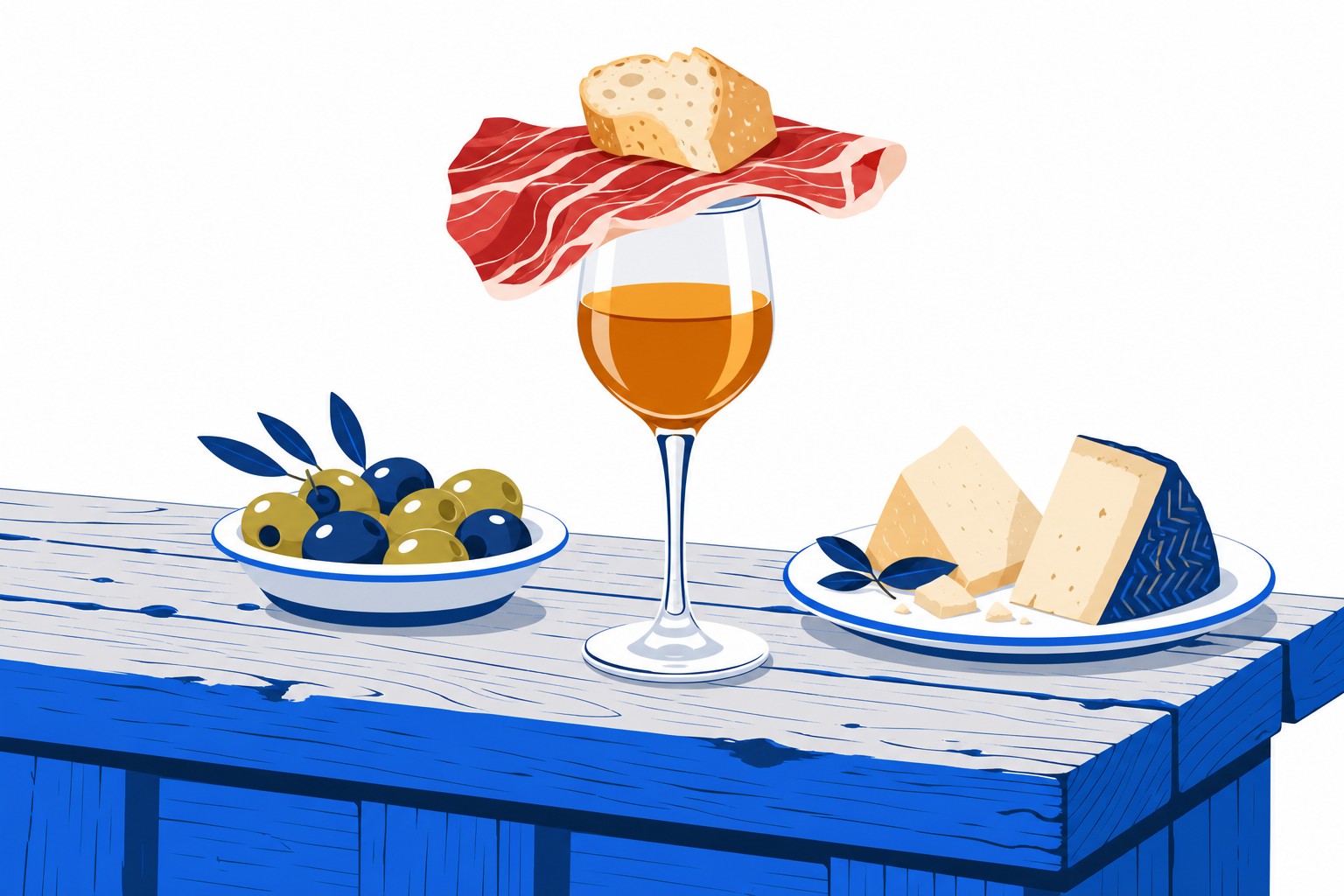
Tapas has at least three different King Alfonso origin legends attached to it — and the most likely real explanation is a lot less romantic than any of them
One legend says a 13th-century king invented tapas on doctor's orders. Another says a 19th-century king got a slice of sausage on his sherry glass to keep the sand out. Both stories are told as history in Spain today. The far more mundane, better-supported explanation: tavern keepers covered drinks with bread, ham or cheese to keep dust and flies out of the glass in the Andalusian heat — a genuinely practical habit that slowly became a dish.
July 19, 2026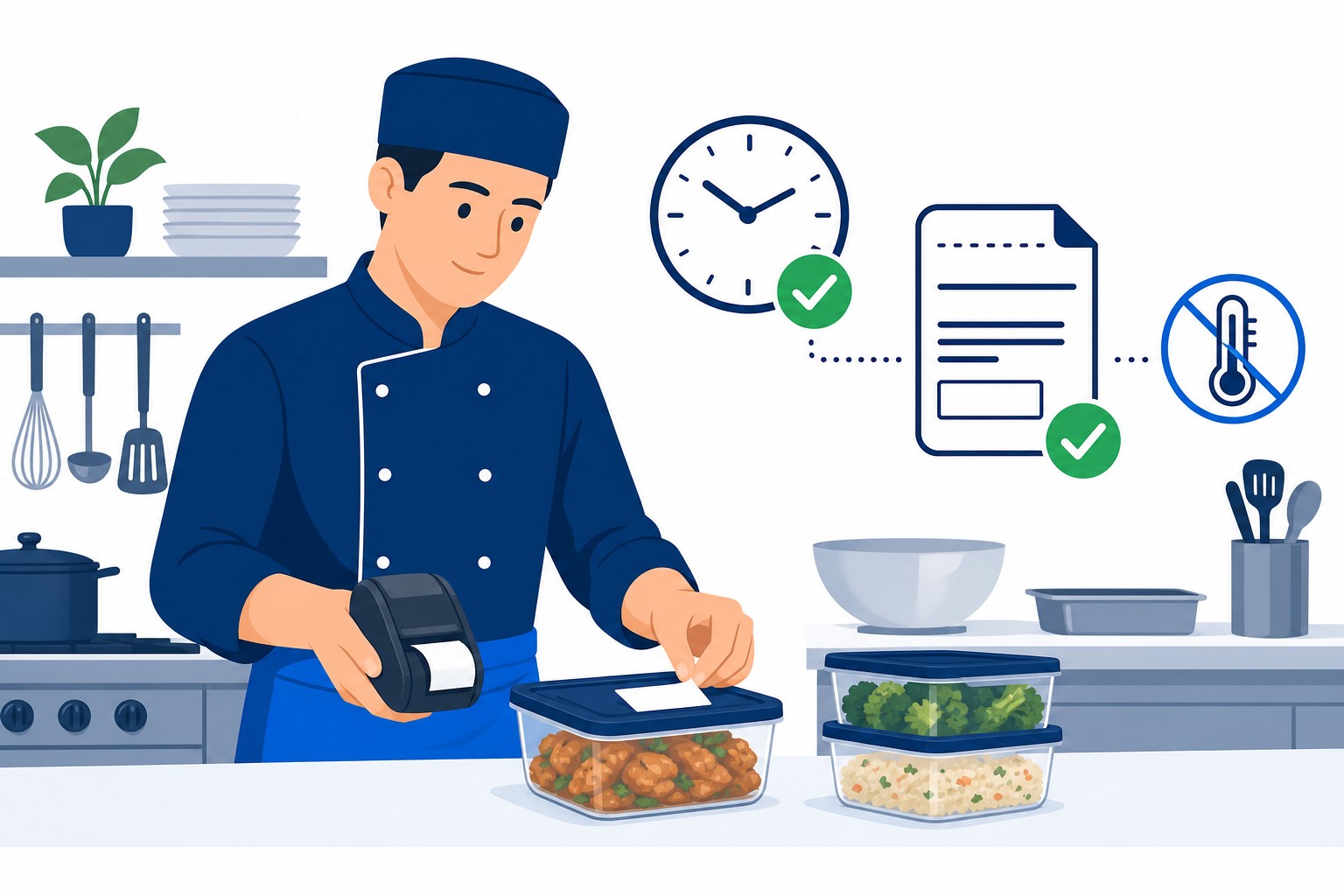
One clause in the FDA Food Code lets a kitchen skip temperature checks on prepped food entirely — replacing the thermometer with nothing but an accurately written label
Most food-safety rules for prepped food revolve around temperature: keep it cold, keep it hot, check it regularly. A specific US FDA Food Code provision — Time as a Public Health Control — allows an establishment to legally skip temperature monitoring altogether and control safety with time alone, provided every batch is marked with the exact time it must be sold, served or discarded. The entire legal compliance burden shifts onto one thing: the label being right, every single time.
July 19, 2026