
Blog
Meals, care and kitchen: what we learn in the field
Practical insight into meal management across care homes, psychiatry, rehabilitation and hospitality — no jargon, written for the teams.
Page 3 / 10
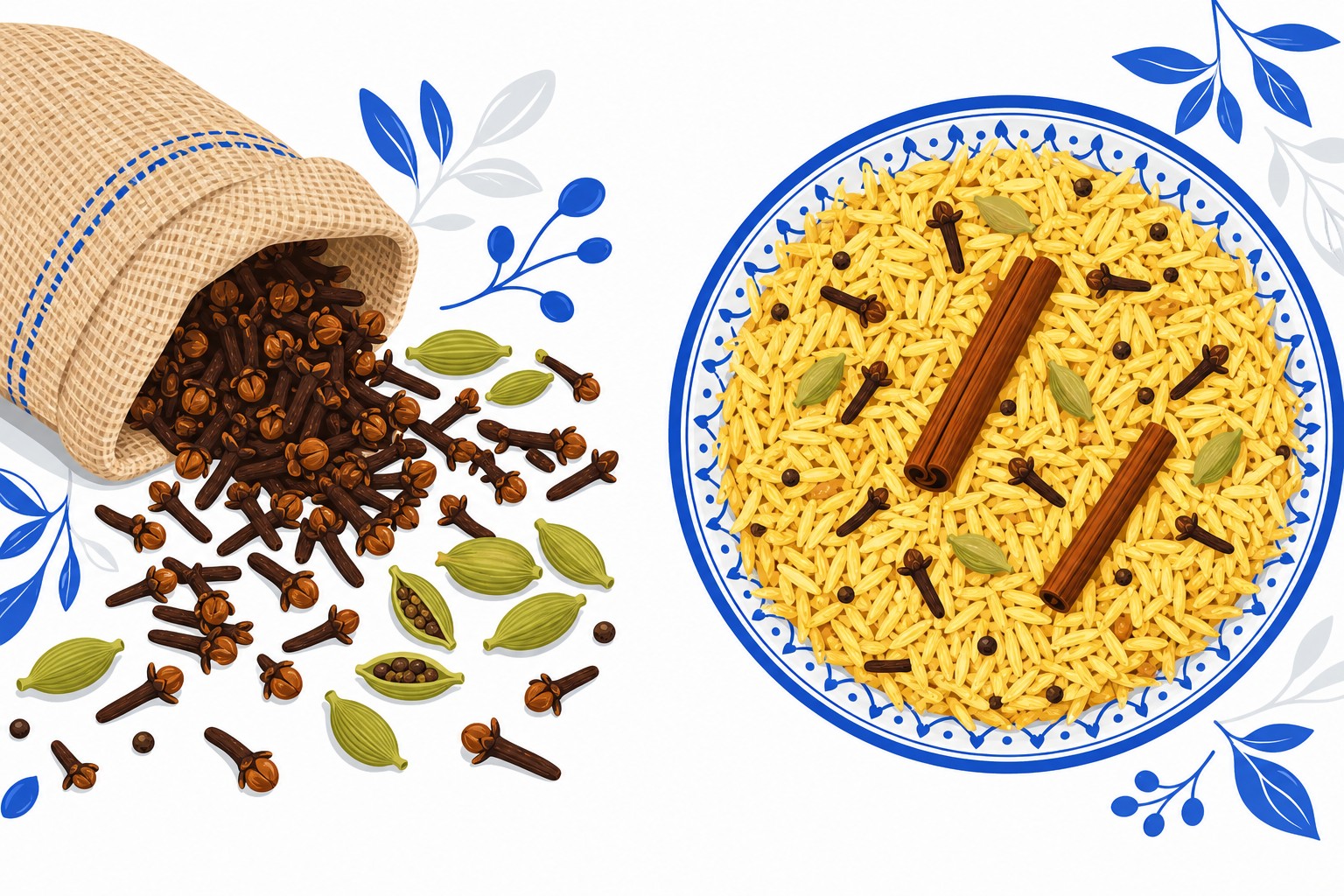
Freddie Mercury was born on Zanzibar — the 'Spice Island' whose centuries of Omani, Indian, African and Arab trade connections are still traceable in a bowl of pilau today
Zanzibar earned the nickname "Spice Island" through a genuinely long Indian Ocean trading history, deepened when Oman's Sultanate moved its capital to Stone Town in the 1830s and built a major clove economy there. Like most 19th-century plantation economies of that era, it also has a difficult, well-documented chapter involving forced labor — a shared history across many trading nations of the time, not unique to any one culture, and worth understanding honestly rather than skipped over. What it left behind is a genuinely rich, still-living food culture: pilau, biryani, urojo, and a night market that's still serving today.
July 19, 2026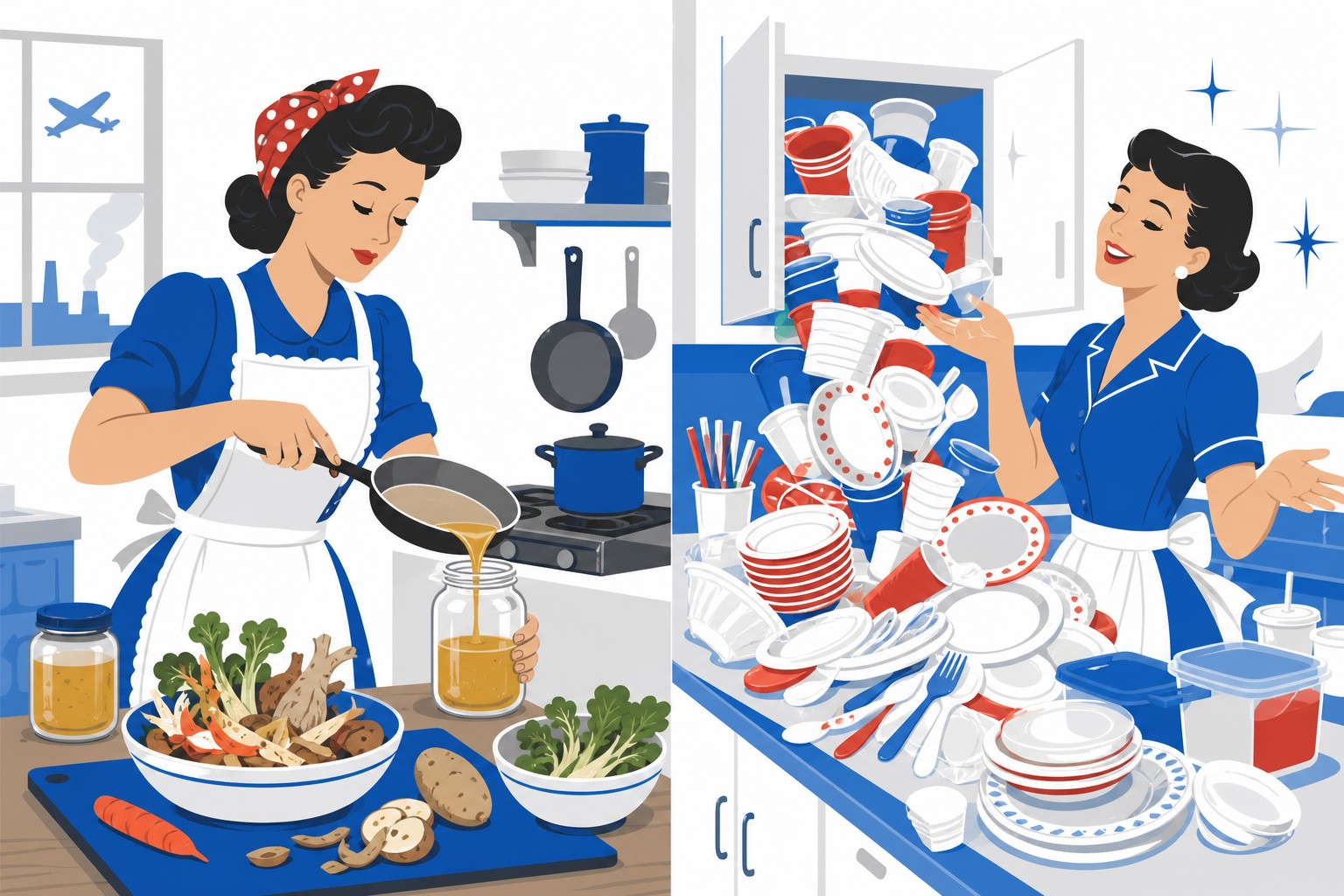
Your grandparents didn't have a zero-waste kitchen because they were virtuous. They had one because a rasher of bacon cost real money and there was no other choice.
Wartime rationing turned "use it up, wear it out, make it do, or do without" into standard kitchen practice across Europe and North America. Then a 1955 LIFE magazine spread called 'Throwaway Living' celebrated the opposite as the height of modern life — and zero waste spent 50 years looking like nostalgia before cost pressure and regulation brought it back as standard operating procedure.
July 19, 2026
The Turkish hammam isn't an independent tradition — it's a direct descendant of the Roman bath. The Finnish sauna is the one that owes Rome nothing.
Baden-Baden is built on the ruins of a Roman garrison bath. The hot-cold contrast every modern spa circuit uses was formalized by a 19th-century Bavarian priest, not inherited from antiquity. And the hammam most people assume is a separate Islamic invention is actually a Roman bath adapted by Seljuk Turks — the sauna is the real outlier.
July 18, 2026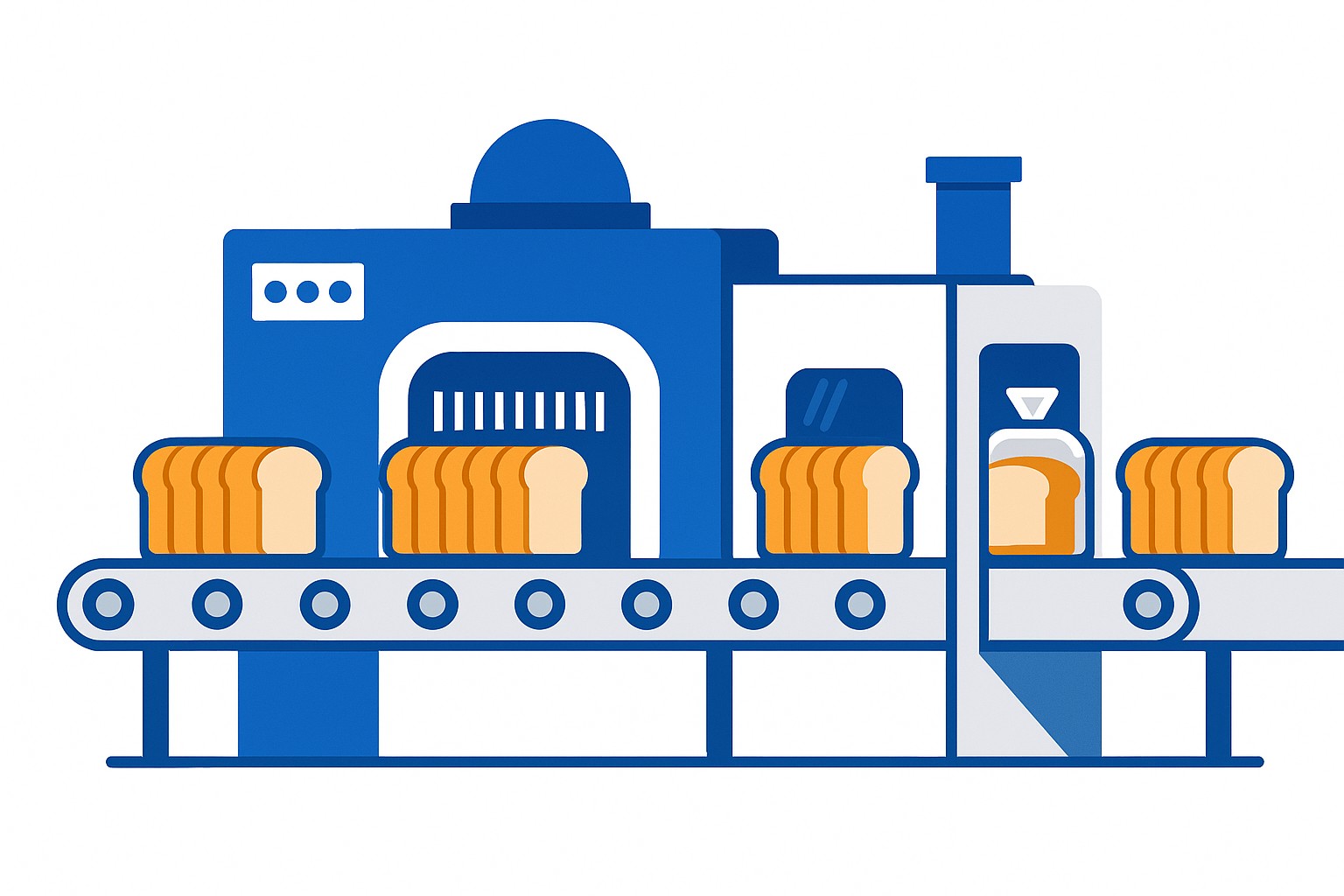
A jeweler who never baked a loaf in his life invented sliced bread — and it's the clearest example of America's real food export: industrial process, not recipes
Otto Rohwedder wasn't a baker — he spent 16 years building a machine to slice and wrap bread, lost his prototype to a factory fire, and started over. Wonder Bread turned his invention into 80% of America's bread supply within five years. It's the same pattern behind Kraft cheese, the TV dinner, and the assembly line itself.
July 17, 2026
Americans were legally forbidden from sending food aid to Germany until one specific date in 1946 — the word for that aid never left the German language
Average calorie intake in western Germany fell below 1,000 a day in the winter of 1946-47, while a non-fraternization policy blocked American food relief from legally reaching the country it was meant for. When the ban finally lifted, the packages that followed left a linguistic and psychological legacy that outlasted the scarcity itself by generations.
July 16, 2026
335,000 Hongkongers moved to Canada before Britain even left — and one Vancouver suburb became North America's dim sum capital because of it
The 1984 Sino-British Joint Declaration set a 1997 handover date 13 years in advance, and gave wealthy Hong Kong families over a decade to plan their exit. Unlike the refugee waves that built Hong Kong's own food culture, this migration arrived with capital — and built Richmond, BC's 400-restaurant Chinese food scene almost from scratch.
July 15, 2026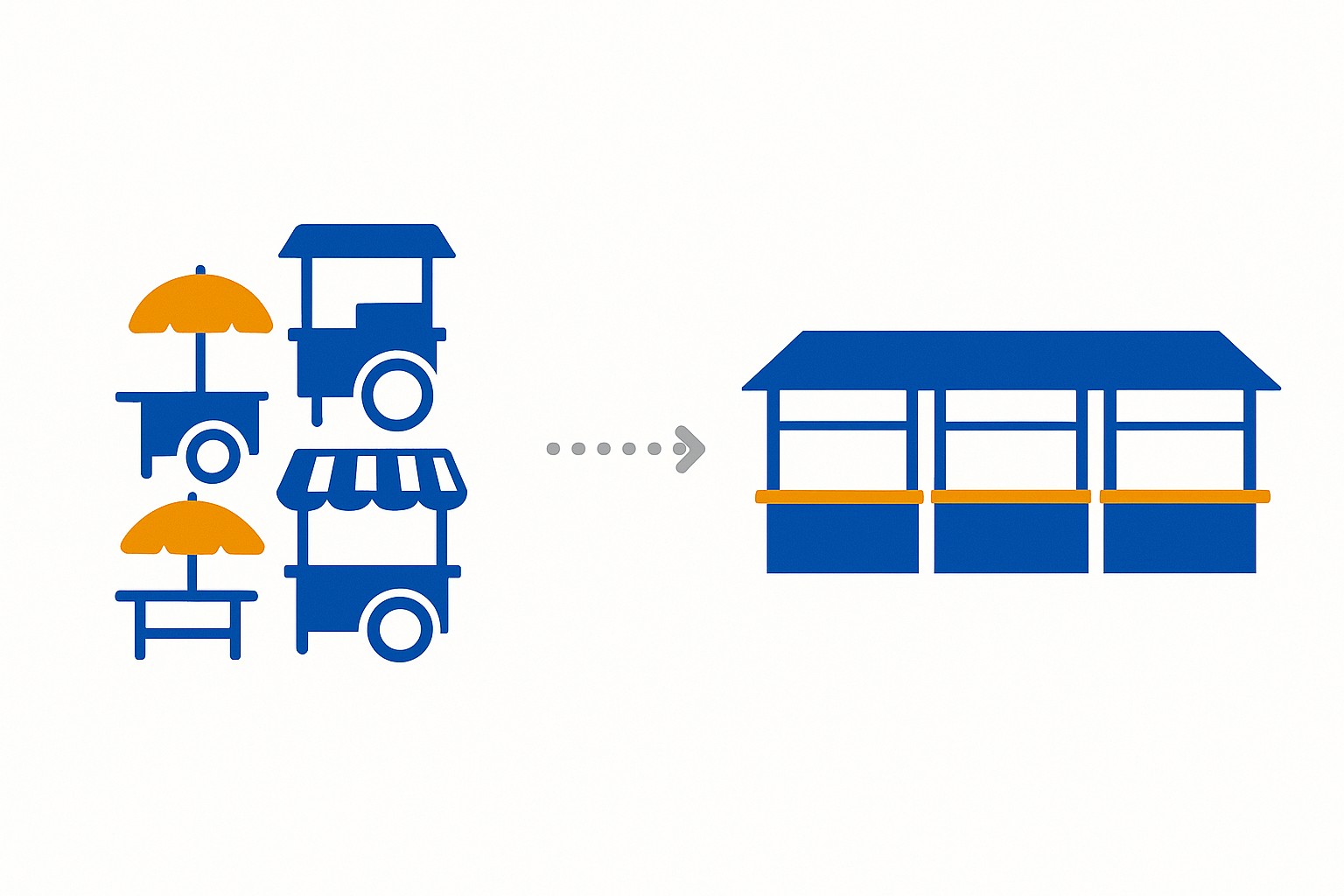
Singapore's most famous food started as a public-health nuisance the government spent 15 years forcibly relocating
Chili crab, Hokkien mee and curry fish head were invented by unlicensed street hawkers with no running water, rats, and no rubbish collection. The government spent from 1971 to 1986 moving 18,000 of them into purpose-built hawker centres — and the food that survived that cleanup is now UNESCO-listed heritage.
July 15, 2026
A food truck outside a Silicon Valley factory in 1980 became a 500-truck company — because its owner had just lost a war, not because he had a business plan
Almost a million Vietnamese refugees resettled in the US after the fall of Saigon. What they built with restaurant experience and nothing else — Little Saigon's first pho shops, a father-and-sons banh mi truck that grew into 500 trucks — is a separate story from how pho and banh mi were invented in colonial Vietnam, and it deserves its own telling.
July 15, 2026
Hong Kong's population nearly quadrupled from refugees fleeing a mainland famine — and they built one of the world's most beloved café cuisines out of it
Hong Kong's population nearly quadrupled in under a decade as refugees fled a devastating mainland famine, historians' death-toll estimates for which run into the tens of millions. Hundreds of thousands of survivors swam or walked into Hong Kong to escape it. What they built with almost nothing — cha chaan teng café food, milk tea, pineapple buns — is now internationally famous, and none of it exists anywhere else in that form.
July 14, 2026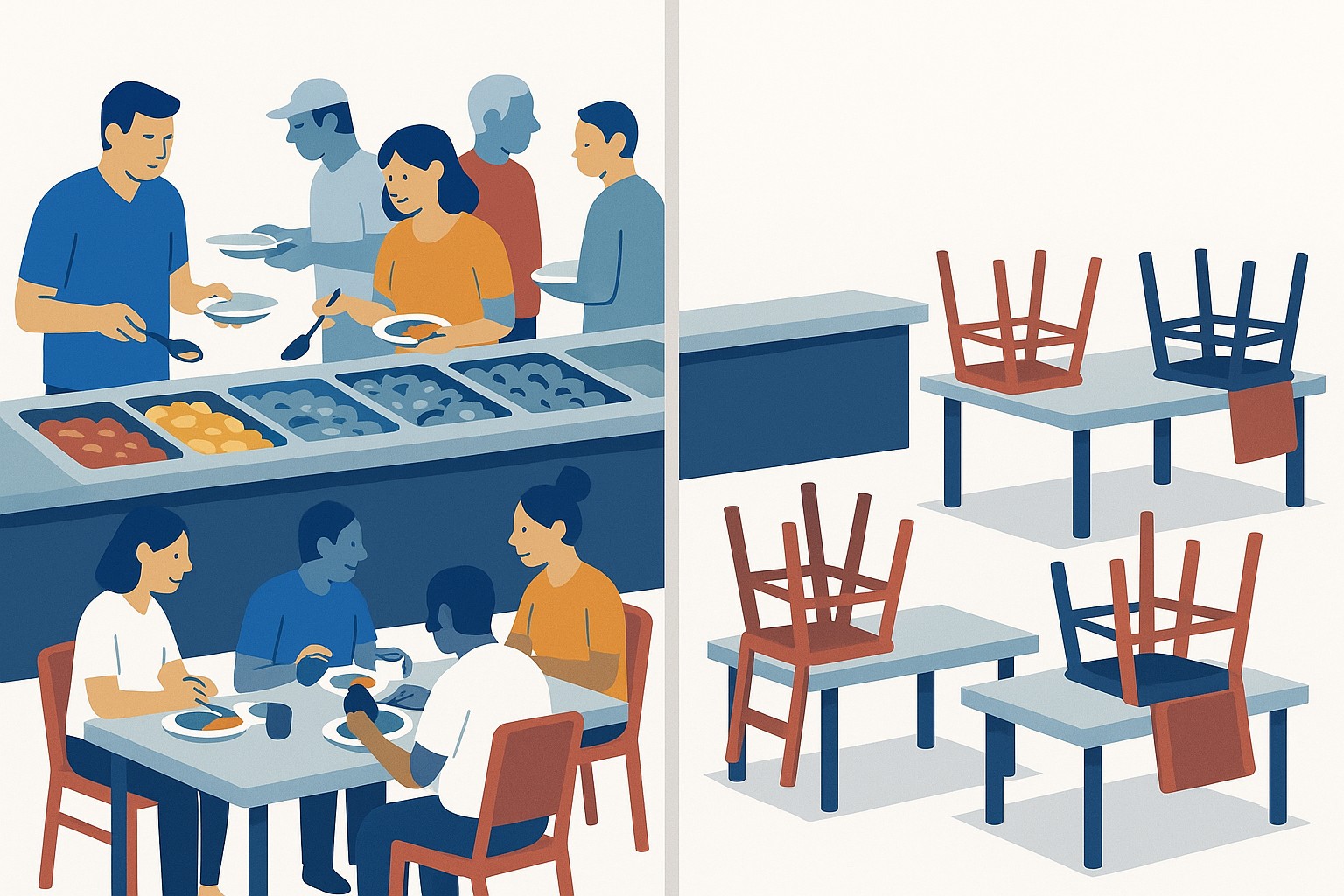
France Can't Stop Opening All-You-Can-Eat Restaurants. America Can't Stop Closing Them.
Nearly a thousand new all-you-can-eat restaurants opened in France in two years, while Golden Corral, Sizzler, and most of America's big buffet chains have spent the same period shrinking or filing for bankruptcy. Same format, opposite trajectories, at the same time. The real economics, the built-in traps, and the waste problem — worst during Ramadan iftar buffets — that the format has never fully solved.
July 13, 2026
Breakfast Buffets Started as a Cover Story. Vegas Turned Them Into a Trap for Gamblers.
The buffet was invented to disguise an unprepared kitchen. Two centuries later, a Las Vegas publicity man reinvented it as a $1 trick to keep gamblers from ever leaving the casino floor. In between: 2,000-year-old chafing dishes, a 51,793-person breakfast, and several people banned for eating an alarming number of prawns.
July 13, 2026
The same blight hit Scotland one year after Ireland — and landlords used it to clear the land instead of feeding the people on it
Phytophthora infestans reached the Scottish Highlands in 1846, one year after Ireland, threatening 200,000 people. Relief was faster and better organized than Ireland's — but landlords used the crisis to accelerate the Highland Clearances, evicting over 40% of some island populations and shipping thousands overseas.
July 13, 2026
26 Finance Terms Every Hotel and Restaurant Manager Should Actually Know
GOP, EBITDA, RevPAR, DSO, CAPEX — the acronyms on a manager-level P&L pack, decoded in plain language with the formula behind each one. What they measure, how they're calculated, and which ones a kitchen or F&B team can actually influence day to day.
July 13, 2026
The chemist who put 20,000 kitchen sayings on trial — and invented molecular gastronomy
French cuisine broke its own rules twice in one generation: first nouvelle cuisine tore up Escoffier's classical sauces in 1973, then Hervé This and physicist Nicholas Kurti spent decades testing thousands of traditional cooking sayings scientifically. Here is both stories — and what the chefs who got called 'molecular' actually thought of the label.
July 13, 2026
Why 'One Portion' Is Meaningless Until Someone Writes Down a Number
Three cooks given the exact same instruction — 'plate up one portion' — will produce three different plates. That gap isn't a training problem, it's a costing problem, a food-safety problem for whether guests get fed, and for institutional kitchens, a nutrition problem. What 'one portion' actually needs to mean.
July 13, 2026
The Portion Control Playbook: What Changes by Channel — and What Doesn't
Portion control isn't one problem — it's four, and they look nothing alike. A la carte, buffet, catering and institutional kitchens all lose money and food to the same root cause, but the fix that works in one channel actively backfires in another. A practical, channel-by-channel playbook.
July 13, 2026
The Sandwich Became an Official Economic Indicator — Twice, in Two Different Countries
The UK's statistics office tracks weekly till data from a sandwich chain to gauge the health of the economy. France runs the same trick with a different sandwich. Neither is a joke — both are real, published, and taken seriously. Why a snack became a proxy for GDP, and what its current scale actually means for anyone who has to cost one.
July 13, 2026
PC, PAK, CS, KG: The Supplier Unit Chaos Quietly Wrecking Your Food Cost
A price list says 'PC' — but is that one bottle, a box of six, or a 5-litre bag-in-box? Every supplier invents its own abbreviations, and the gap between a purchase unit and a recipe unit is where food cost calculations quietly go wrong — not by a few percent, but by whole multiples. What the mess actually looks like, and how to structure your way out of it.
July 13, 2026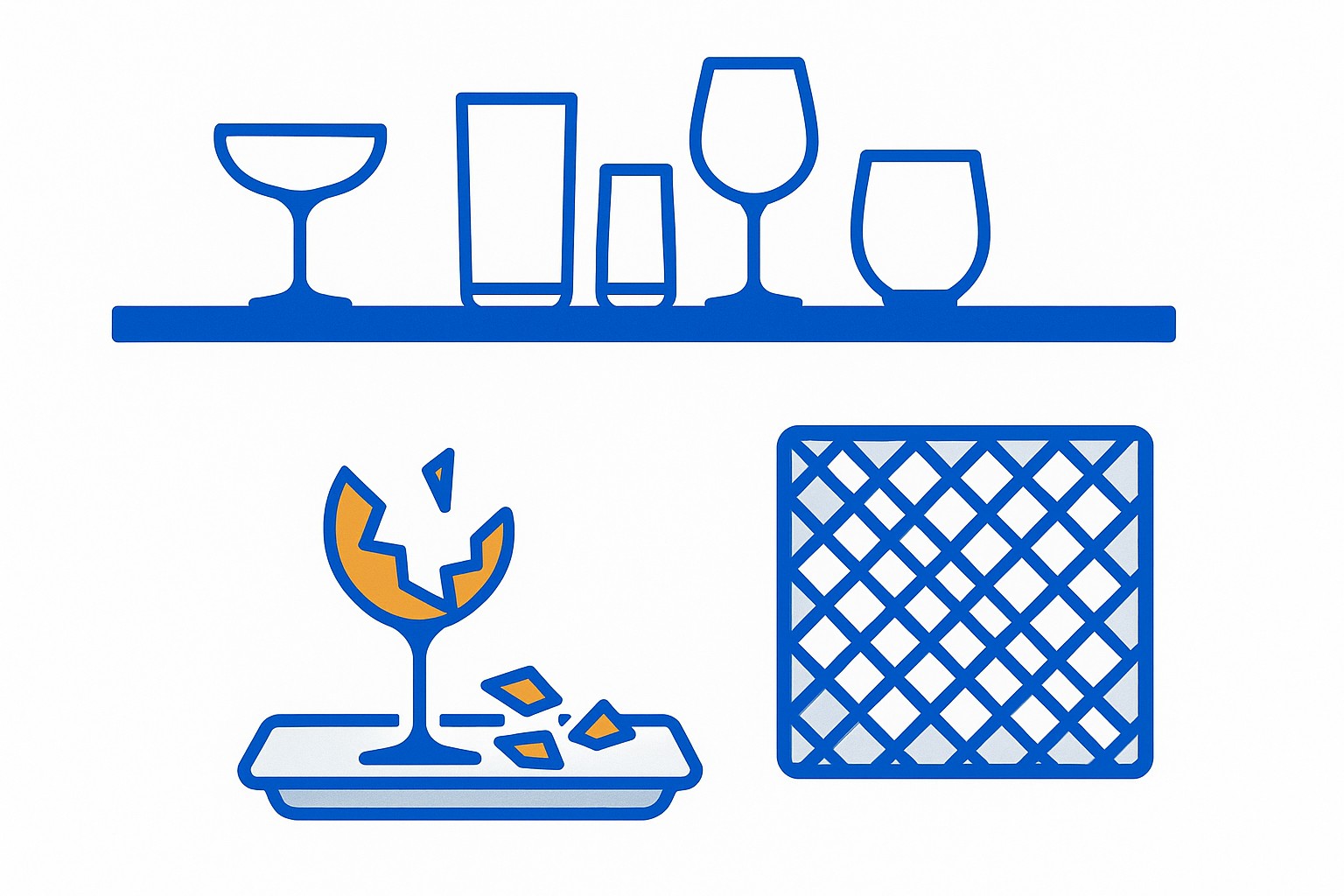
A typical bar loses a third of its glassware every year — what each glass shape is really costing you
Industry warewashing data puts annual glass breakage at roughly 33% of inventory for a typical bar — and the shape you pick, and how you wash it, can cut that to a third. Here's the real economics behind every glass on your back bar.
July 12, 2026
Parisian legend says Russian soldiers invented the word "bistro" in 1814 by shouting "hurry up." The French Academy's own dictionary says that's off by roughly 66 years.
The story is charming: occupying Cossacks, impatient for their coffee, shouting the Russian word for "quickly" at Paris café owners until it stuck as a name. The problem is the word doesn't show up in print until around 1880 — and the officers doing the alleged shouting were fluent in French anyway.
July 12, 2026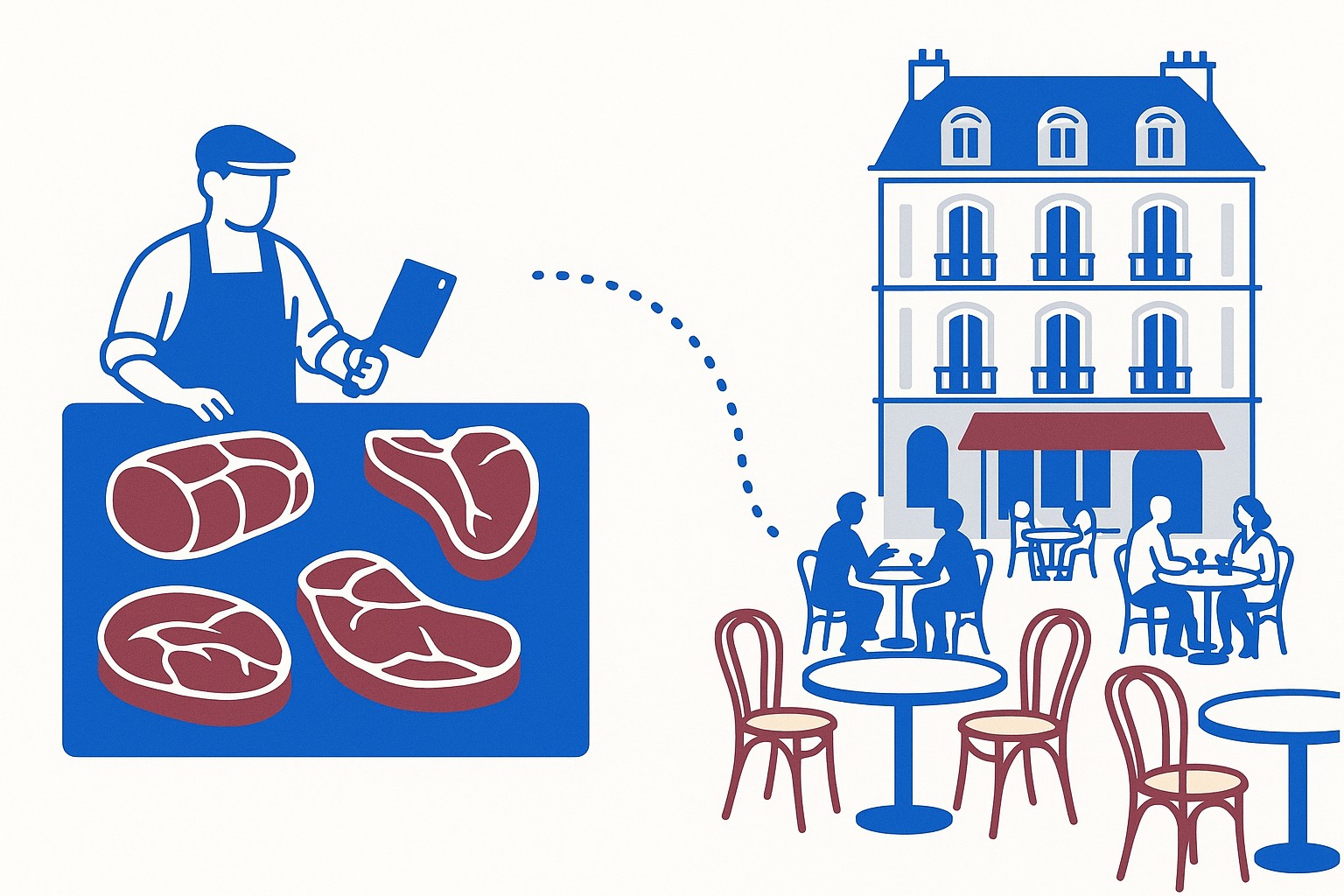
A 19th-century Paris butcher couldn't sell his best cuts, so he built a 16-branch restaurant chain to use up the rest — and it's having its biggest moment in a century, right now
In 1854, a Paris butcher named Duval turned unsellable cuts of beef into a cheap, fast bouillon for market workers near Les Halles. By 1900, Paris had hundreds of these restaurants. The format nearly died out after WWII — then came back so hard that a new one has opened roughly once a month since 2023.
July 12, 2026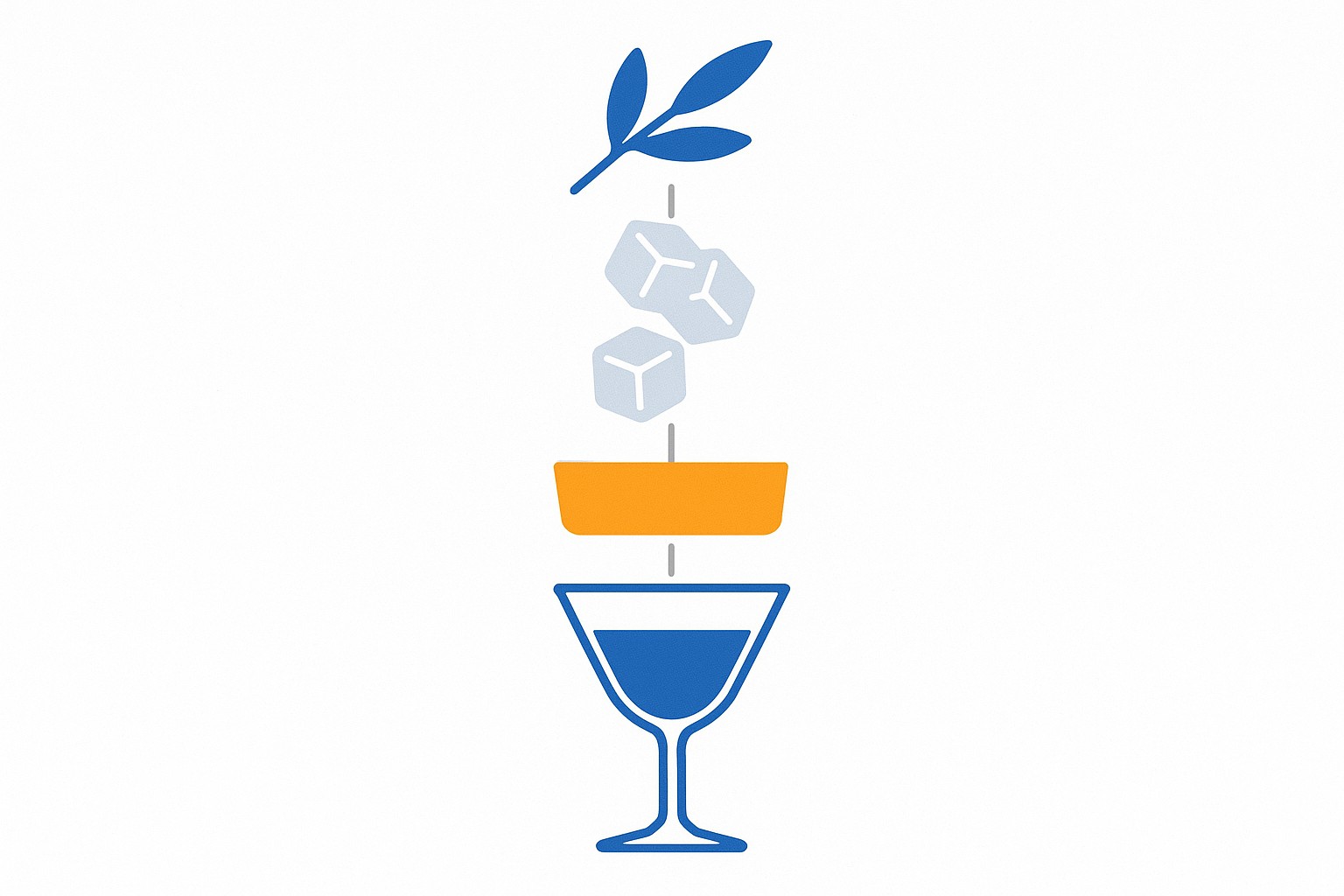
Your $14 cocktail costs almost 70% more than the recipe card says — garnish and ice are why
Most bars cost a cocktail as one number: the spirit. Garnish, ice, dilution and modifier liqueurs are treated as free — and they aren't. Here's what a properly costed cocktail actually looks like.
July 12, 2026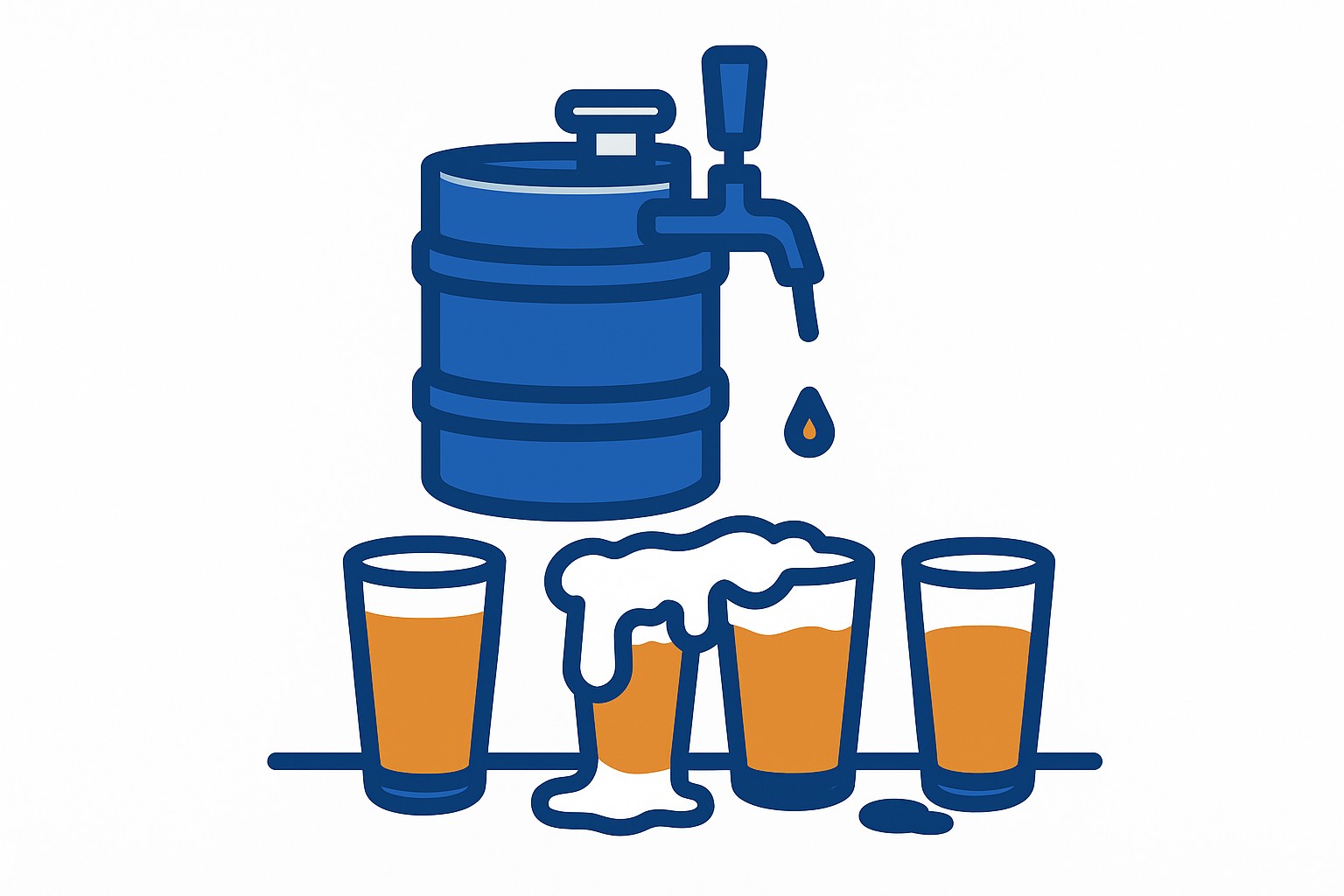
A half-barrel keg 'contains' 124 pints — real bars pour closer to 110-118, and the gap is a margin leak
The math on a keg says 124 pints. Foam, spillage, and line waste routinely eat 5-25% of that before it ever reaches a glass — here's the real yield math and what drives the gap.
July 12, 2026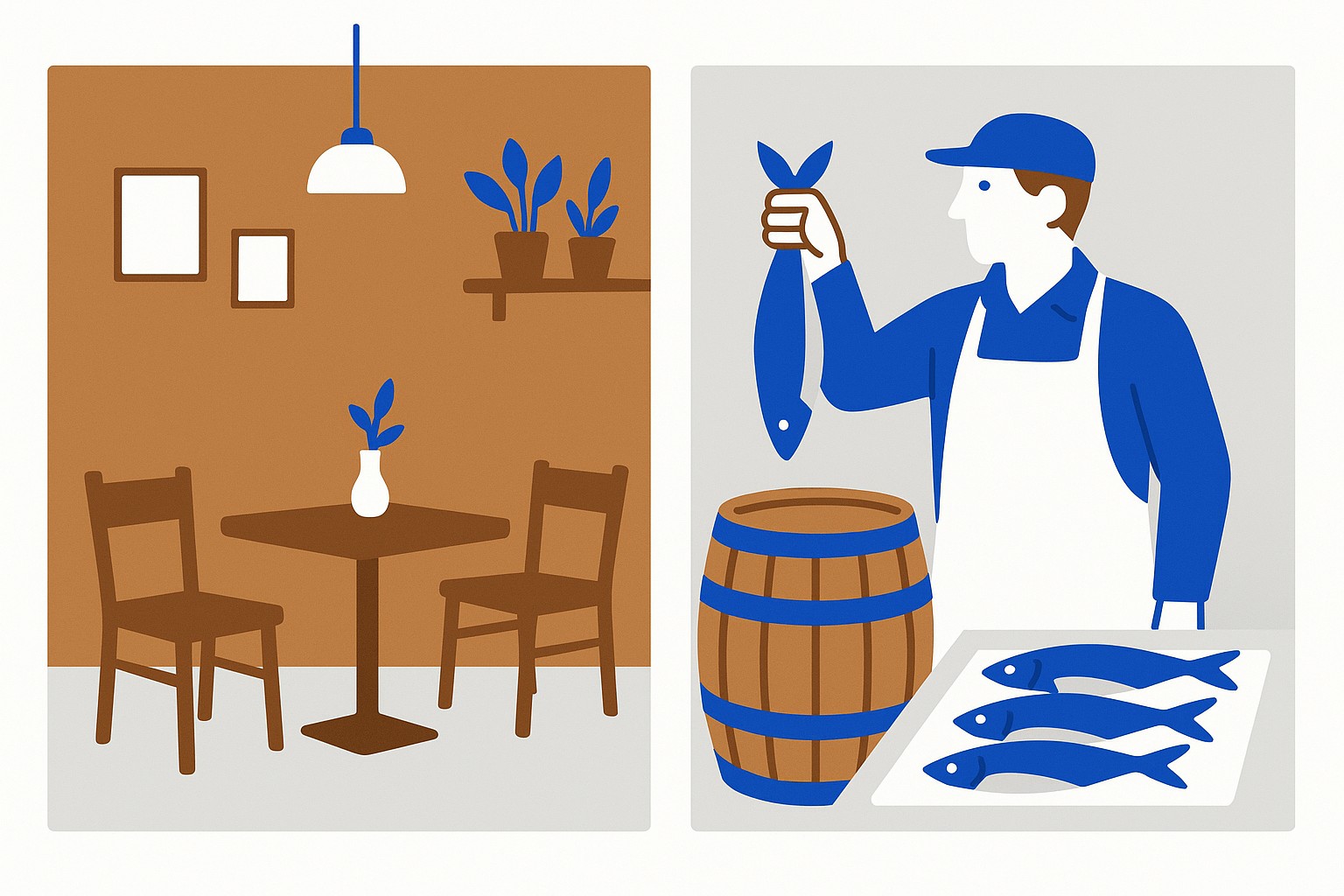
Amsterdam's "brown cafés" are named for a color literally created by decades of tobacco smoke staining the walls. Dutch herring's own founding legend was invented roughly 250 years after the man supposedly responsible was even alive.
Two very different ways a food institution builds its identity: one earned its name slowly, through literal accumulated residue. The other got its origin story from a 17th-century myth manufactured centuries after the fact — and modern historians can't even confirm the man in the story existed.
July 12, 2026