
Blog
Meals, care and kitchen: what we learn in the field
Practical insight into meal management across care homes, psychiatry, rehabilitation and hospitality — no jargon, written for the teams.
Page 6 / 10

A Day in the Life of a Speech Therapist: Why Food Texture Matters
Speech therapists in care settings carry enormous responsibility when it comes to swallowing safety and nutritional adequacy. Here's how digital F&B management tools make their work more reliable and less stressful.
July 11, 2026
The world's most valuable beverage was allegedly discovered by a goat herder whose goats got too energetic — and a monk who threw the berries in a fire
Every coffee-growing country in the world traces back to Ethiopia, where Arabica coffee actually originates. The 'dancing goats' story is legend, not verified history — but the real record shows coffee reaching Yemen from Ethiopia, and the ritual of the Ethiopian coffee ceremony still reflects that origin today.
July 11, 2026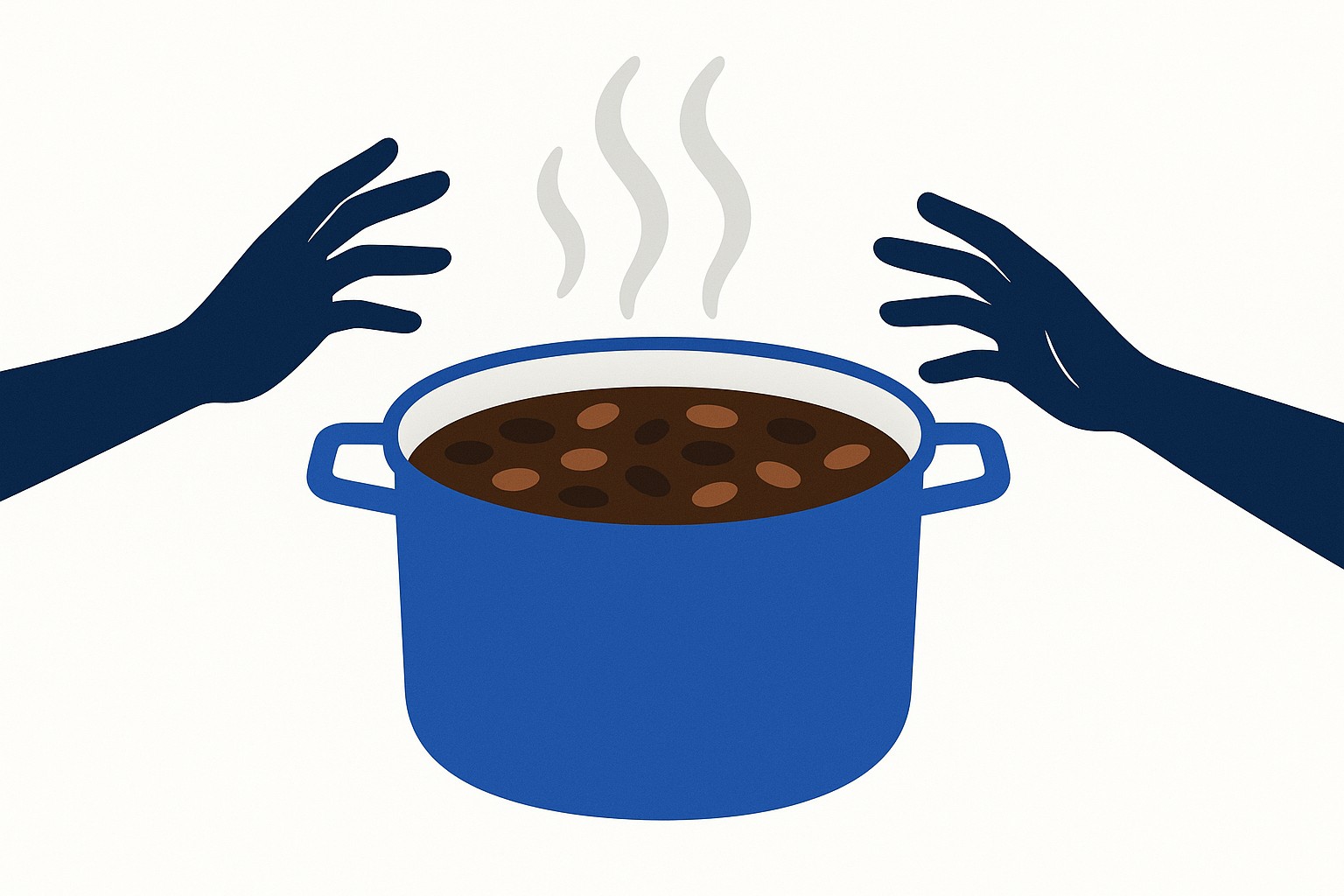
Brazil's national dish and the debate over who really gets credit for it
The popular story says enslaved workers invented feijoada from scraps. Historians say the evidence doesn't actually support that. But the scholarly point isn't which version is literally true — it's what disputing the African-origin story has done to whose culture gets credit for Brazil's national dish.
July 11, 2026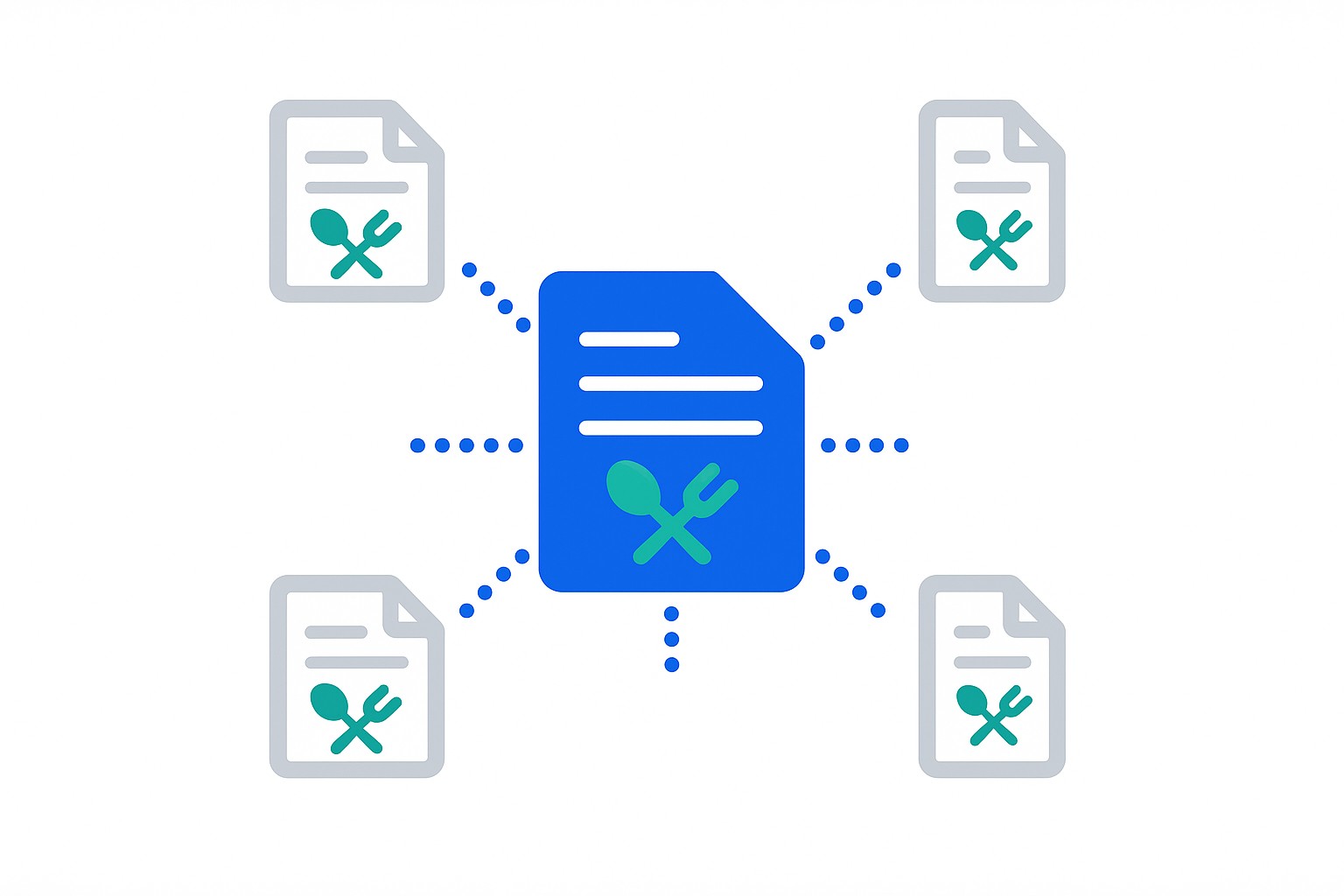
Multilingual Recipe Sheets: One Source of Truth for Every Kitchen
Managing recipe documentation across languages and sites is a recipe for error — unless you centralise it. Here's how CalcMenu helps food service operations maintain a single, authoritative source of truth for every technical sheet.
July 11, 2026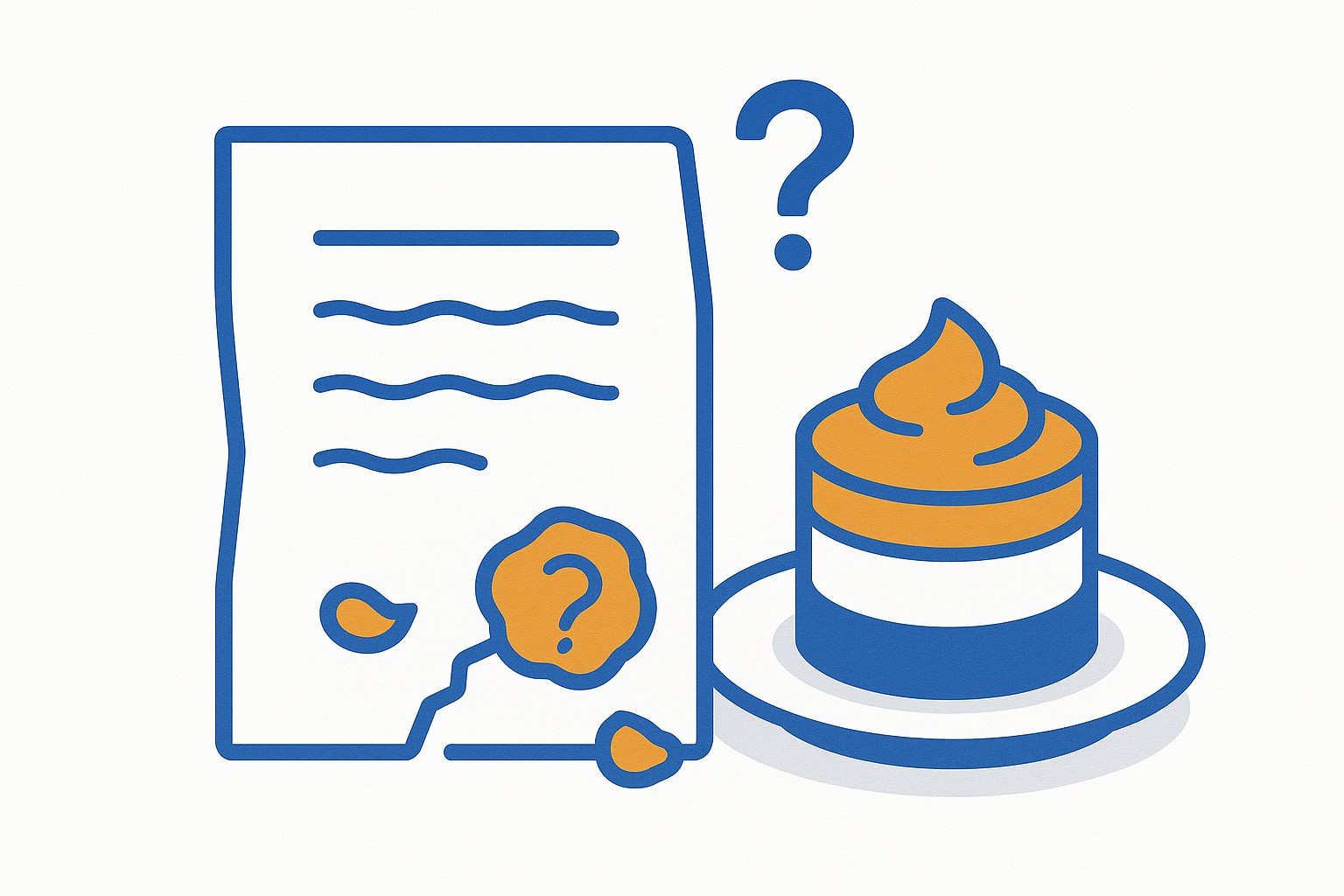
Who really invented tiramisu? The forged letter, the fake war hero, and eight other food legends that don't hold up
A field marshal never brought schnitzel home from Milan. A queen's thank-you letter for pizza Margherita has a forged signature. The stories restaurants tell about their most famous dishes are, more often than you'd think, simply untrue.
July 11, 2026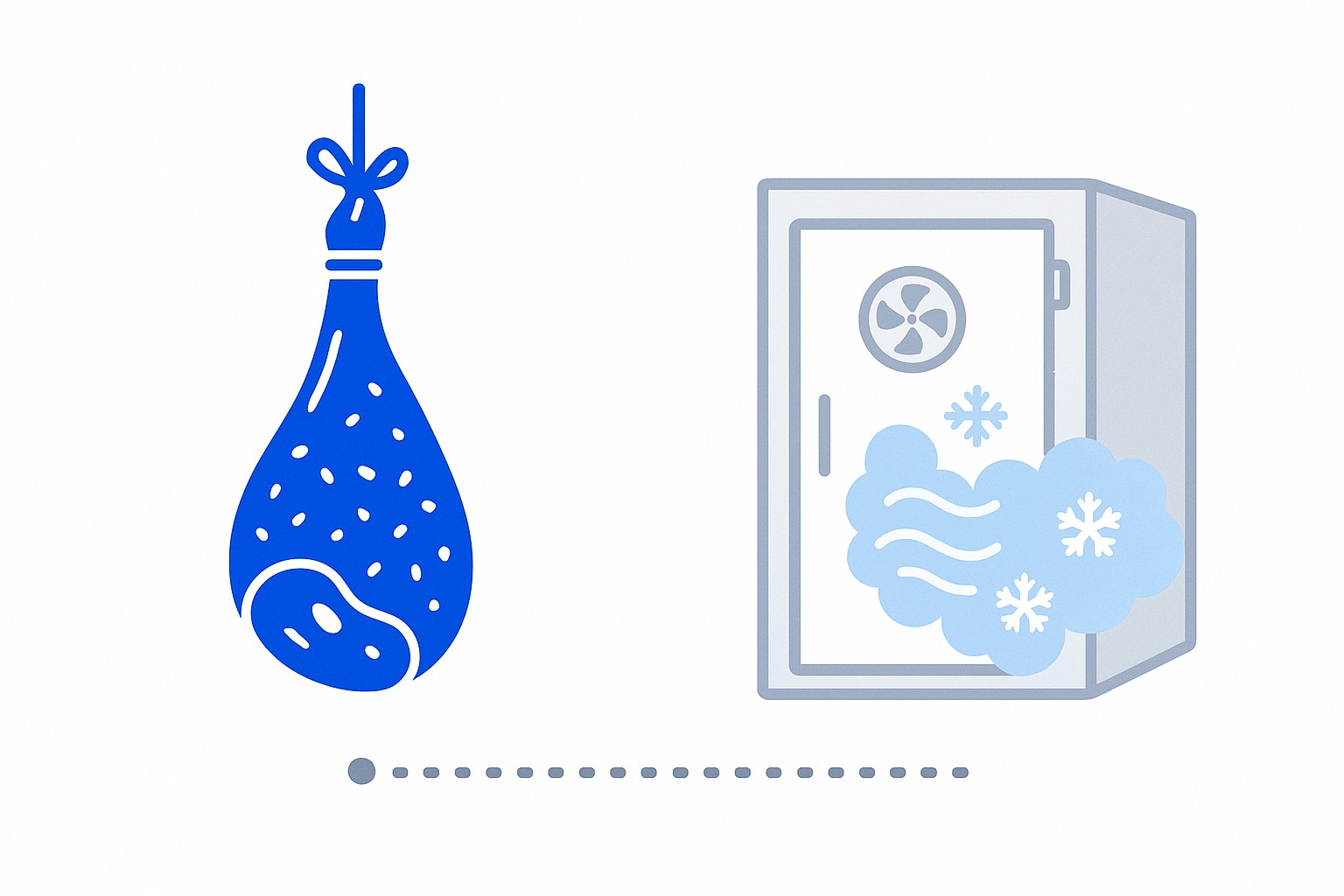
From salt to magnetic fields: what 5,000 years of food preservation means for your food cost today
Nicolas Appert invented canning to win a Napoleon prize decades before anyone knew why it worked. Today CAS freezing, HPP and modified atmosphere packaging are rewriting the shelf-life-versus-cost equation again.
July 11, 2026
Bubble tea, fried chicken, Dubai chocolate: how long do food trends actually last in Europe?
From frozen yogurt to Dubai chocolate, European food trends move at very different speeds. Real dates and numbers on eight crazes show when to jump on a trend — and when your margin needs you to wait.
July 11, 2026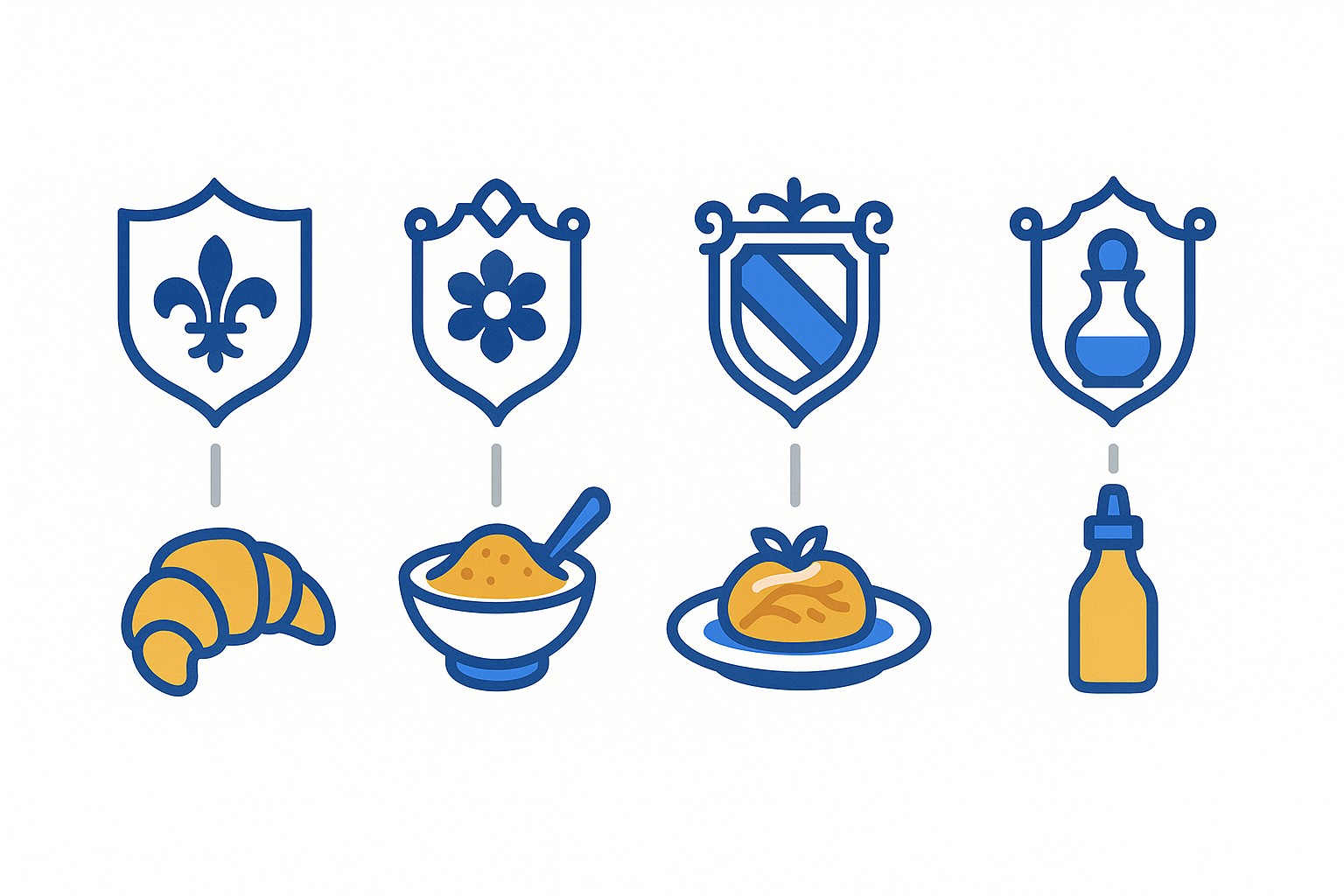
A nun's convent legend, the world's first fusion cuisine, and a condiment sold back to the empire that stole it: what four colonial powers left on the menu
Spain, Portugal, the Netherlands, and Britain each left behind a food legacy far stranger than a shared ingredient — a disputed convent recipe, a 450-year-old fusion cuisine, two unrelated South African food traditions, and a sauce built from Indian ingredients sold back to Britain under an English name.
July 11, 2026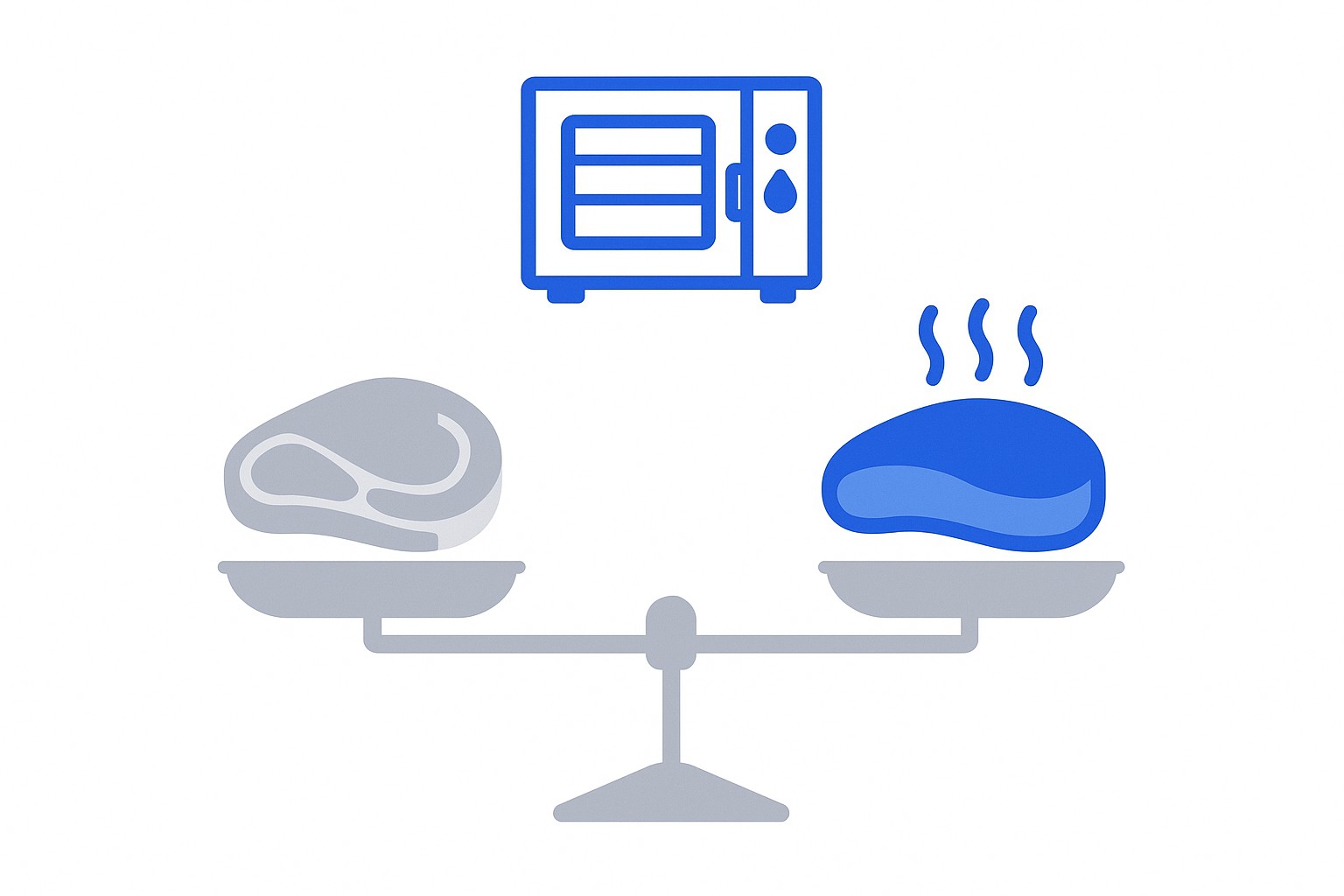
Combi Ovens & Steam Cooking: How Lower Cook-Loss Boosts Your Food Cost
Steam cooking in combi ovens can cut cook-weight loss by 5 to 15 percentage points compared to conventional ovens, meaning more portions per kilogram purchased. Here is what that shift means for your food cost and how to track it properly.
July 11, 2026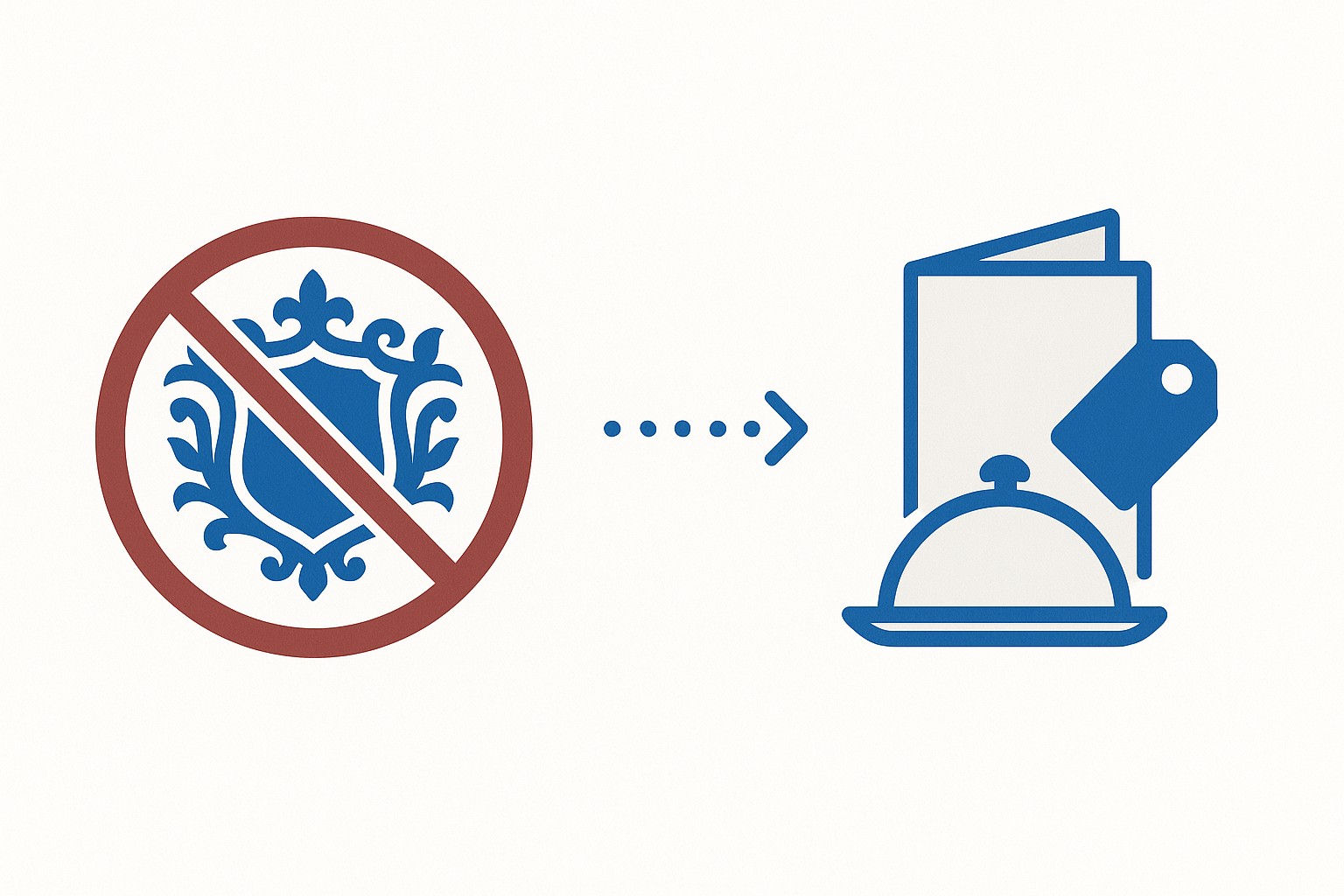
The French Revolution didn't just topple a monarchy — it invented the priced menu
Before 1789, you couldn't legally sell a meal to a stranger in France unless a guild let you. The Revolution destroyed that system by accident, and created the à la carte restaurant — the first time a dish ever had a price next to it.
July 11, 2026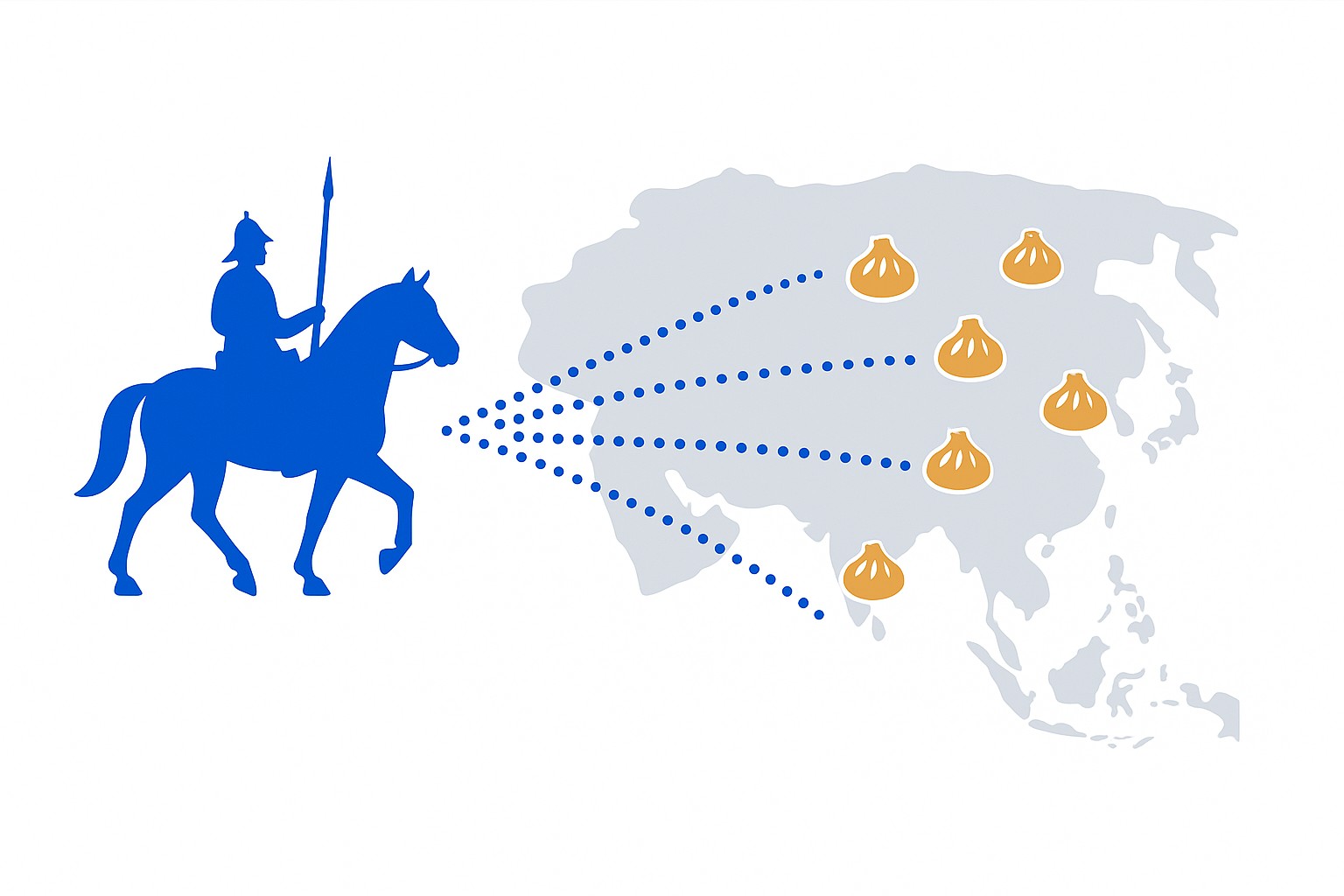
Genghis Khan didn't tenderize meat under his saddle, and Mongol soldiers didn't cook hot pot in their helmets — but dumplings really did spread across Eurasia because of his empire
Two of the most-repeated Mongol food legends turn out to be unsupported. But the largest contiguous land empire in history really did reshape what half of Eurasia eats — dumplings from Korea to Afghanistan share the same word for a reason.
July 11, 2026
The hot dog took 50 years to become American. The Korean taco truck did it in one Twitter feed.
German immigrants built the hot dog and hamburger into American food over half a century, cemented by a single World's Fair. 104 years later, a laid-off chef and a $2 taco truck did the same kind of reinvention — at internet speed, with zero advertising budget.
July 11, 2026
The Wegovy effect: how GLP-1 weight-loss drugs are rewriting restaurant menus, portions and margins
Roughly 1 in 9 US adults now takes a GLP-1 drug like Wegovy or Ozempic, and diners on them eat less, drink less, and visit restaurants less often. Here's what the data shows, how chains are responding — and why it's a food-costing problem, not just a menu one.
July 11, 2026
Meat Grinder ROI: The Real Math Behind In-House Grinding
Running your own meat grinder can dramatically cut costs compared to buying pre-ground meat — but only if you track yield with precision. Here's how to do the math properly.
July 11, 2026
Hawaii's plantation owners deliberately kept workers segregated by nationality — and their kitchens invented poke bowls, saimin, and Spam musubi anyway
A dish with no single source culture, a snack turned into a global trend by a Japanese-immigrant addition, and a WWII ration reinvented with a Japanese rice-ball technique: Hawaii's most iconic foods all came out of a labor system designed to keep ethnic groups apart.
July 11, 2026
Feeding people in a crisis is 2,000 years old — and it keeps solving the same three problems
From Roman grain doles to 2,160 British government restaurants feeding 600,000 meals a day in WWII, to a Sikh kitchen that's fed people for free since 1500 CE: every era's crisis feeding system solves the same operational problem, at completely different scale.
July 11, 2026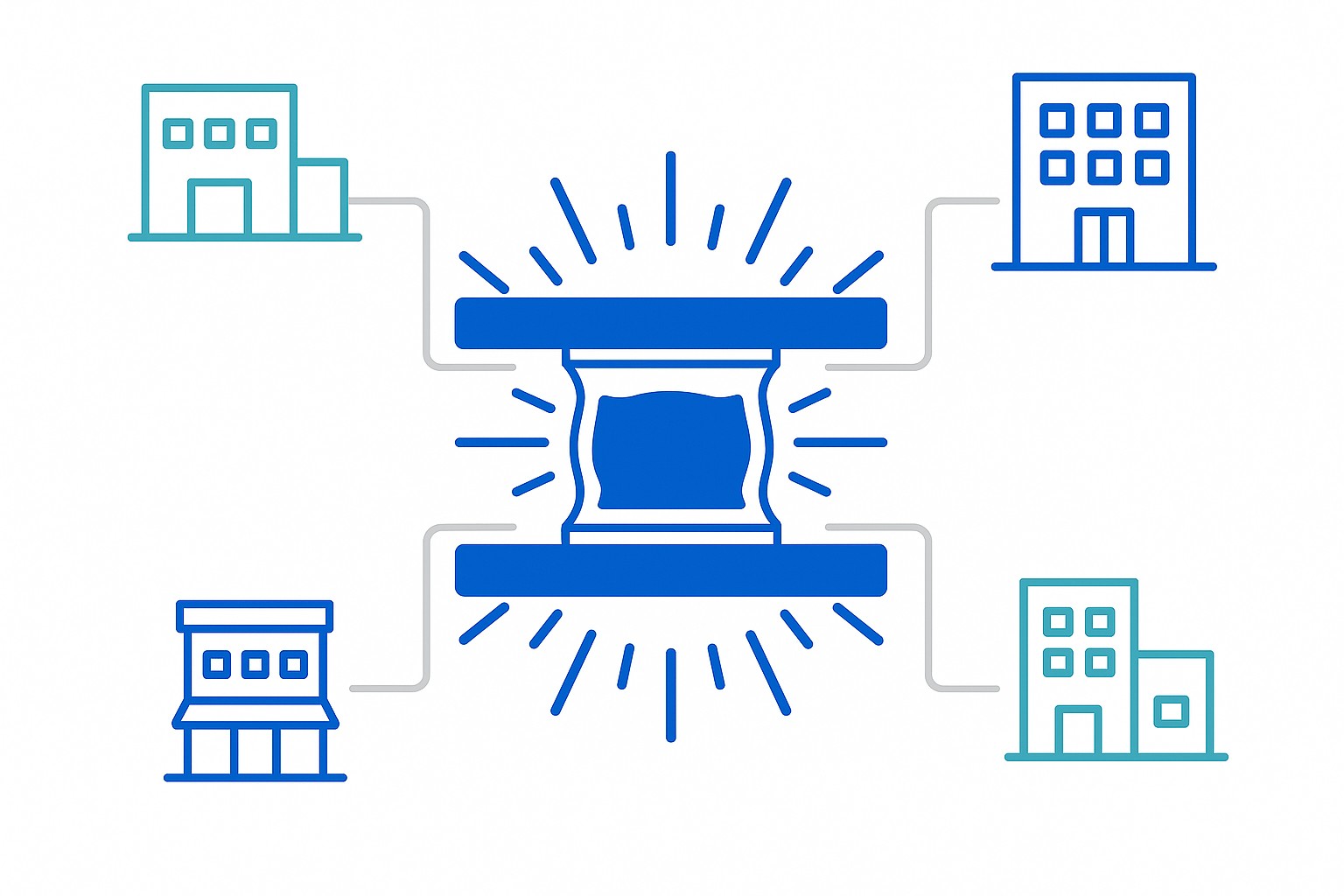
HPP: How Many Sites Can One Central Kitchen Really Feed?
High Pressure Processing (HPP) is quietly transforming the economics of central kitchen production for multi-site hospital and care groups. Here is what the technology means for your operations — and your bottom line.
July 11, 2026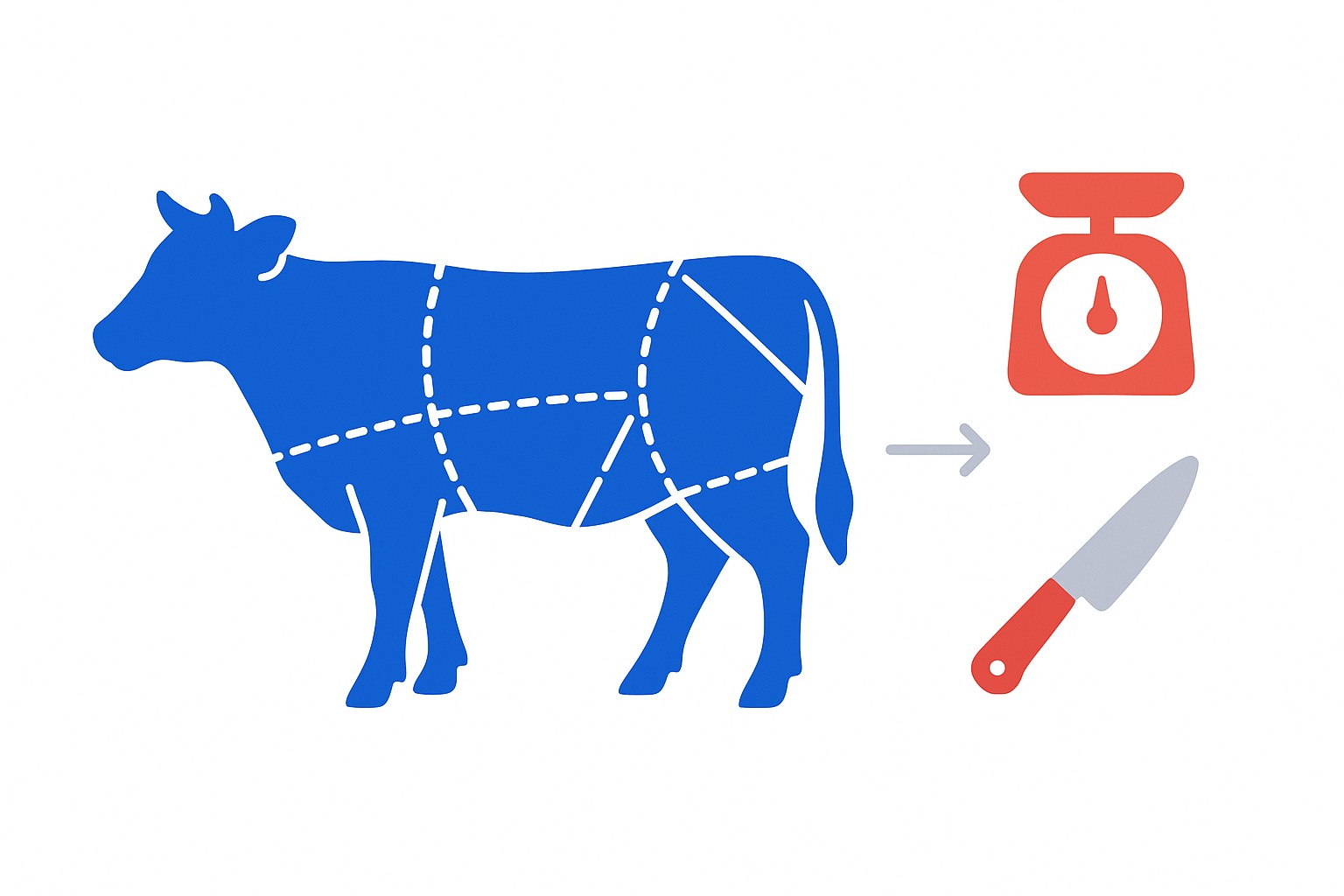
In-house butchery: when it actually pays off
Buying whole carcasses and breaking them down yourself looks like an obvious saving on price per kilo — until you count the skilled labor, the dedicated space, and the whole-animal problem: a carcass yields far more than the cuts your menu actually sells. A practical guide to when your own butchery pays off, including why camps and cruise galleys are often the clearest case of all.
July 11, 2026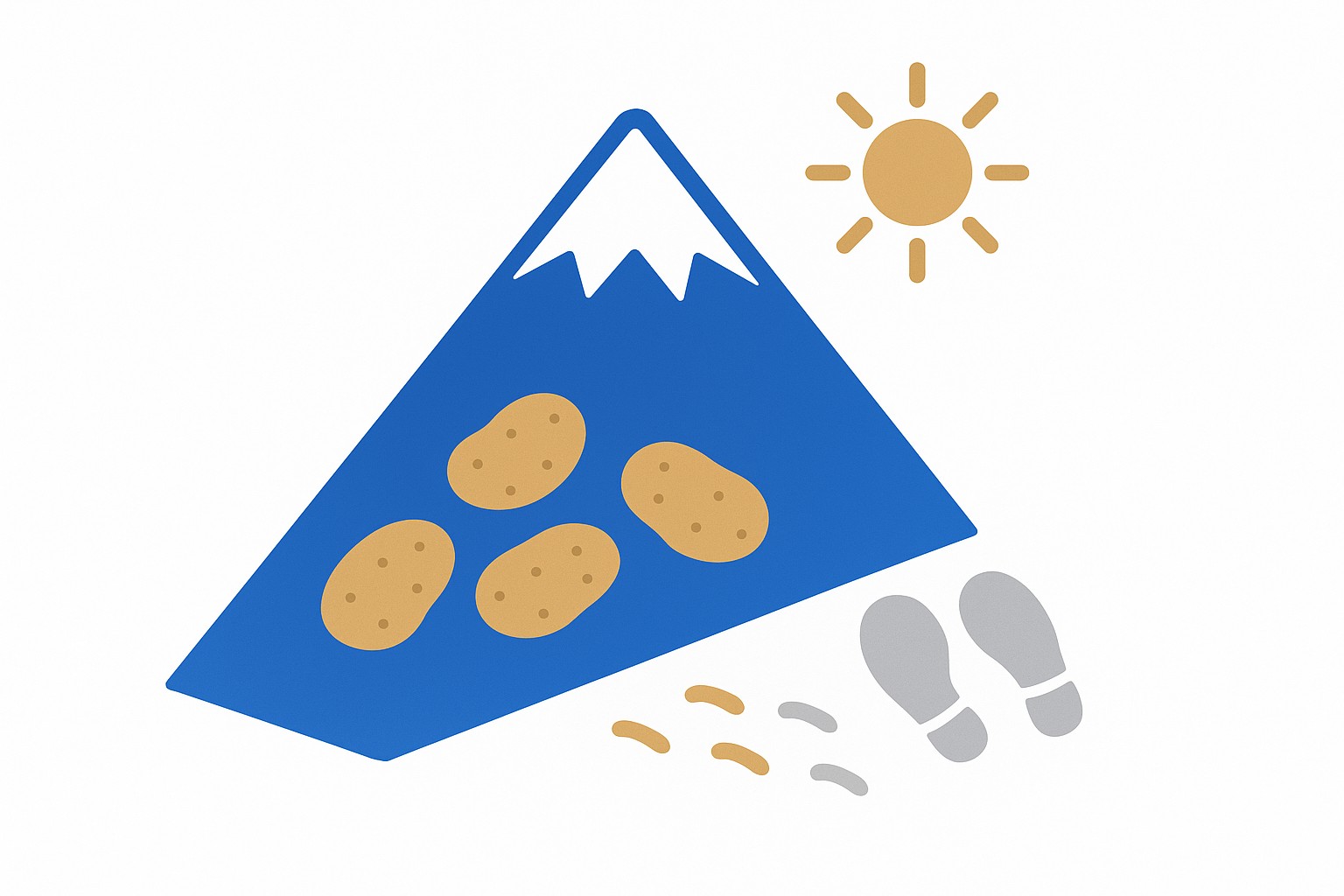
The Inca invented freeze-drying — using mountain frost, sunlight, and people walking on potatoes with their bare feet — 500 years before anyone had a freezer
Chuño, freeze-dried potato, let the Inca Empire store food for years and feed imperial projects across Peru. Archaeologists recently found 500-year-old examples still intact. It's the same preservation science modern freeze-drying uses — done entirely with weather and labor.
July 11, 2026
Drug-Food Interactions: What Every Kitchen Team Needs to Know
Certain everyday ingredients can dangerously interfere with common medications. Here is what foodservice professionals in healthcare settings need to understand — and how the right tools can help.
July 11, 2026
Dough Sheeter ROI: How Consistent Thickness Unlocks Predictable Batch Yields
A dough sheeter does more than speed up production — when every sheet comes out at the same thickness, you can finally predict exactly how many pieces each batch will yield, making recipe costing far more reliable.
July 11, 2026
Nanobubble Washing: Keep Fresh Produce Longer and Cut Purchasing Losses
Ozone nanobubble washing extends the shelf life of fresh vegetables by up to 30% and dramatically reduces microbial contamination — meaning less spoilage before the first knife even touches your ingredients. Here is what that means for your kitchen's bottom line.
July 11, 2026
Vacuum Sealing Machines: How Many Extra Days of Shelf Life Do You Actually Get?
Vacuum sealing can dramatically extend the shelf life of both raw ingredients and finished meal batches, giving healthcare and hospitality kitchens a practical tool to cut waste and protect margins. Here's what the numbers look like in a real production environment.
July 11, 2026
How Hotels Can Take Control of Recipe Costs and Food Margins
Uncontrolled food costs are one of the biggest profit drains in hotel catering. This post explores how structured recipe management and smart F&B software can help hospitality teams regain control of their margins without sacrificing quality.
July 11, 2026