
Filipino food never became the food world's promised 'next big thing.' Filipino brands didn't wait around — Jollibee now runs more restaurants outside the Philippines than inside it
Pew Research counts Filipino restaurants at just 1% of America's Asian restaurants. Nobody told Jollibee, San Miguel, or Dole. One started as a Manila ice cream parlor and became a 10,000-store global chain planning a US listing; one is a 135-year-old brewery turned $25-billion conglomerate; one is the reason a can of pineapple in a European supermarket probably grew in Mindanao. The food stayed home. The businesses didn't.
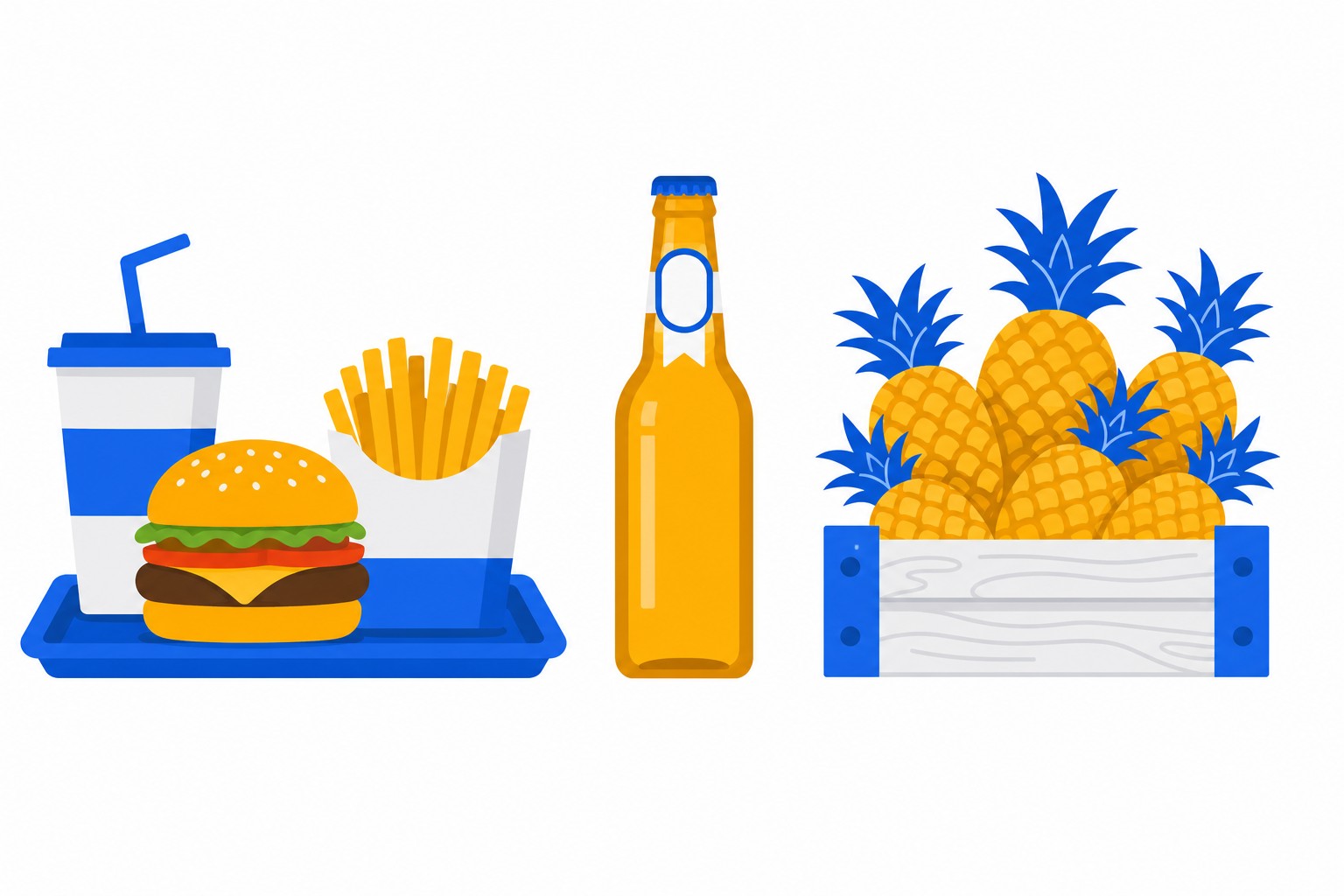
The food didn’t travel. Three businesses did — by three completely different routes
The gap between the size of the Filipino diaspora and the visibility of Filipino restaurants abroad is real and well documented. What that framing misses is that three Philippine-linked businesses went thoroughly, unmistakably global anyway — just not as restaurants serving “Filipino food” to a curious foreign public. They took the franchise route, the conglomerate route, and the commodity-export route instead, and each is worth knowing on its own terms.
Jollibee: a Manila ice cream parlor that out-franchised its own market
In 1975, Tony Tan Caktiong and his family opened a Magnolia ice cream parlor in Cubao, Quezon City. Customers kept asking for hot food, so three years later the family converted it into a burger-and-fried-chicken chain — naming it after a bee, chosen for its association with hard work, with “jolly” added for the obvious reason. Jollibee still outsells McDonald’s in its home market by a wide margin — a 2021 market-share study put Jollibee at roughly 30% of Philippine foodservice against McDonald’s 9%, with about 1,150 Philippine locations to McDonald’s 650 — the rare instance of a local chain beating the global giant decisively on its own turf. What happened next is the less-told part: Jollibee’s international footprint grew roughly sixfold between 2014 and 2024, the company now operates over 10,000 stores across 19 brands in 33 countries, and as of a recent count, more of those stores sit outside the Philippines than inside it. The growth wasn’t organic expansion alone — Jollibee Foods Corporation went on a deliberate acquisition run, buying US chains Smashburger and The Coffee Bean & Tea Leaf, and was named to TIME’s 2026 list of Most Influential Companies while preparing a US stock listing specifically to fund further global growth.
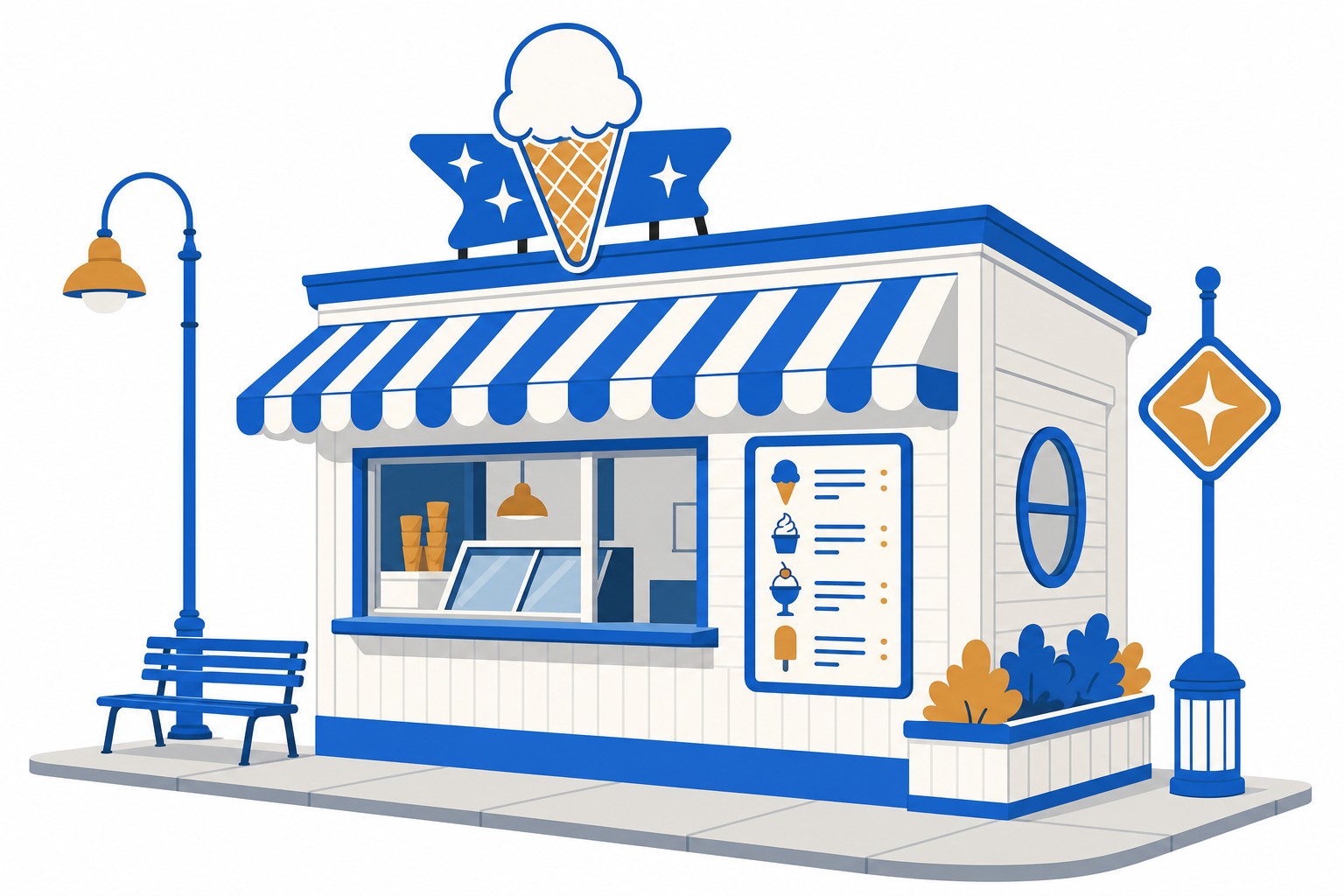 Jollibee started as a Magnolia ice cream parlor in 1975 — the pivot to hot food came three years later, after customers kept asking for it.
San Miguel: a beer brand under Spanish royal charter that became a $25-billion infrastructure company
San Miguel’s origin is older than most people expect: La Fábrica de Cerveza San Miguel was founded in 1890 under a Spanish Royal Charter — one of the last major business institutions established under Spanish colonial rule before the Philippine Revolution. It won its home market fast: by 1896 it was already outselling all imported beer five-to-one, and by 1913 it held an 88% share of Philippine beer consumption. The part that surprises people today is what San Miguel Corporation actually is now. The beer — still one of the best-selling in the world, at nearly 200 million cases a year and over 90% domestic market share — is only one division. The parent company has diversified into food, finance, energy, infrastructure, and transportation, generating more than $25 billion in annual revenue and managing over $47 billion in assets, making it one of the largest and most diversified conglomerates in Southeast Asia. Most people who’ve had a San Miguel beer have no idea they’ve had any contact with one of the region’s biggest infrastructure companies.
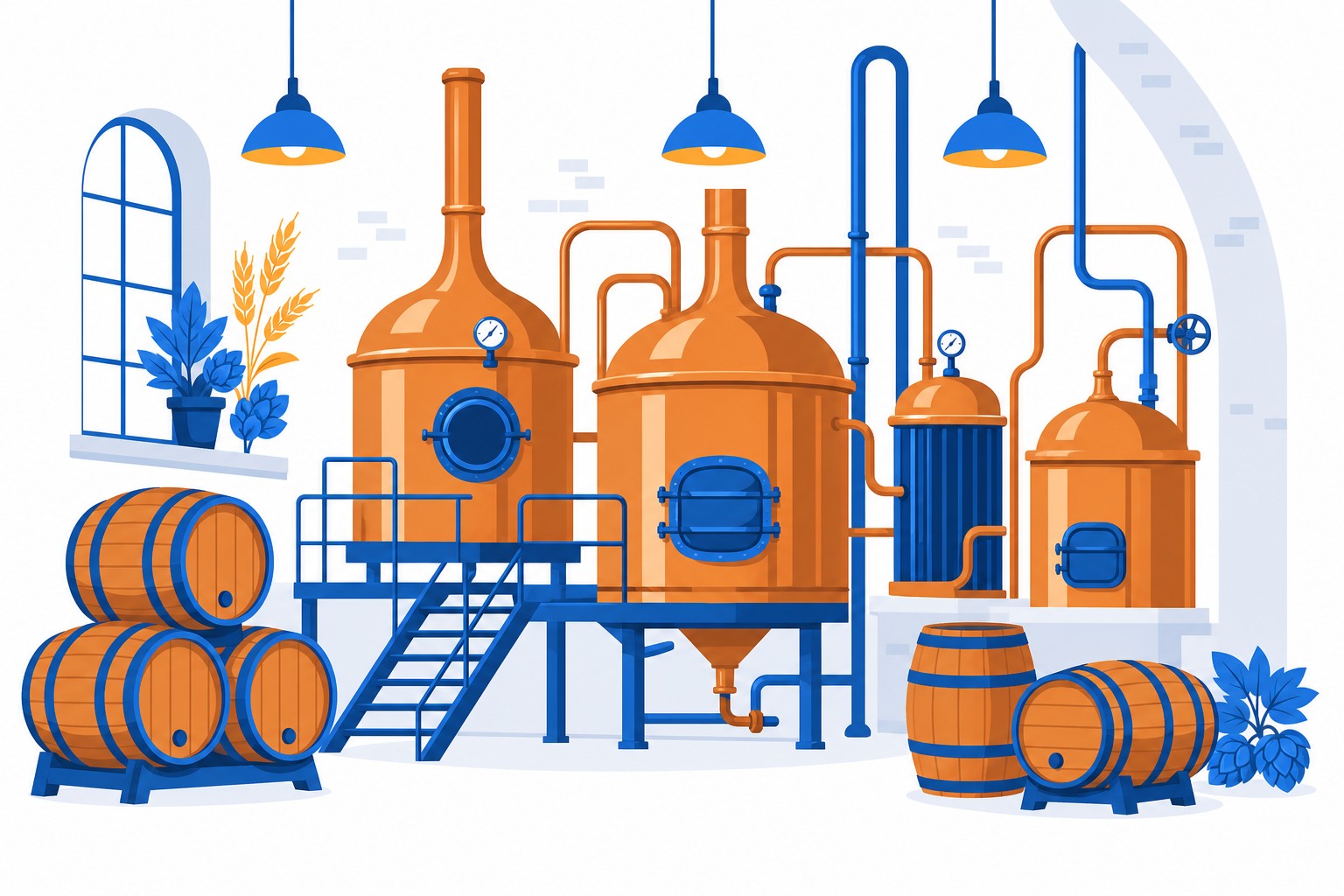 San Miguel’s brewing operation is still one of the best-selling beers in the world — but it’s now just one division inside a $25-billion infrastructure and energy conglomerate.
Dole in the Philippines: an American name, Philippine soil, and Japanese ownership
Here’s the one with the least straightforward brand story. Dole Philippines opened its Polomolok, South Cotabato plant in December 1963, and its pineapple plantations — covering roughly 32,000 hectares — turned the town into an industrial hub. The name reads as thoroughly American. The fruit is thoroughly Philippine, grown on Mindanao soil that was, in a significant number of documented cases, indigenous Lumad land before large-scale plantation agriculture arrived — a history that includes real, ongoing land disputes and labor conditions that groups like Global Witness have specifically flagged. And the ownership is neither American nor Filipino: Dole Philippines was acquired by Japan’s Itochu Corporation in 2013. A can of pineapple that reads as an all-American pantry staple has, in practice, an American brand name, Philippine agricultural labor and land history, and a Japanese parent company — which is a more accurate picture of how global agribusiness actually works than the label suggests.
Three different playbooks, one shared pattern
Look at these together and the pattern isn’t “the Philippines has good businesses” — that’s true of most countries. It’s that all three globalized a Philippine business identity through a channel other than the cuisine itself: franchise replication (Jollibee), colonial-era brewing scaled into modern conglomerate diversification (San Miguel), and commodity agriculture export under foreign brand ownership (Dole). None of the three required a foreign public to develop a taste for Filipino food first. That’s the inverse of how Thai, Vietnamese, and Japanese businesses usually built global reach — restaurant recognition first, brand expansion second. In the Philippine case, the businesses didn’t wait for the cuisine’s reputation to catch up.
What this means if you’re running a multi-market F&B operation
Jollibee’s specific operational challenge is the one worth borrowing, regardless of what you’re serving: replicating an exact flavor and cost profile across dozens of countries, currencies, and supply chains, with a Chickenjoy in Manila expected to taste identical to one in Milan or Toronto.
- Recipe and yield consistency across every market, not just every site — the harder version of the multi-outlet problem this blog keeps coming back to.
- Supply chain cost visibility that survives currency and ingredient substitution, since a global franchise can rarely source every ingredient identically everywhere.
- A single source of truth for recipes and specs, so a flagship dish’s identity doesn’t quietly drift as a chain scales past its home market.
CalcMenu can’t replicate Jollibee’s franchise-development playbook. It can make sure that whatever you’re scaling — one country or thirty-three — the food cost and recipe data behind it stays as consistent as the brand promise in front of it.
Scaling a multi-site or multi-country F&B operation? Book a free 15-minute call with our team — no commitment: Schedule a call.
Related reading
- Filipino sailors founded the first Asian settlement in the US in 1763 — Filipino food still isn’t mainstream there
- A food truck outside a Silicon Valley factory became a 500-truck company
Sources
- Philippines: largest foodservice companies by market share — Statista
- Jollibee’s Global Expansion: The Ultimate 2026 Guide — Flavor365
- Jollibee Named to 2026 TIME100 Most Influential Companies
- Jollibee plans US listing for global business; stock surges — BusinessWorld
- From Ice Cream Parlor to Fast Food Empire: Tony Tan Caktiong’s Story — WIPO
- San Miguel Corporation — Wikipedia
- History of San Miguel Corporation — FundingUniverse
- San Miguel Beer: the brewery that became one of the world’s largest beer brands and a Philippine conglomerate — BackScoop
- Dole Philippines opens new $20M plant in South Cotabato — MindaNews
- Agribusiness including Del Monte Philippines’ growers implicated in violent attacks against indigenous groups — Global Witness
Explore CalcMenu's recipe management software for restaurants, hotels & catering to see how it applies to your kitchen.
Related sectors
Comments
Comments coming soon.